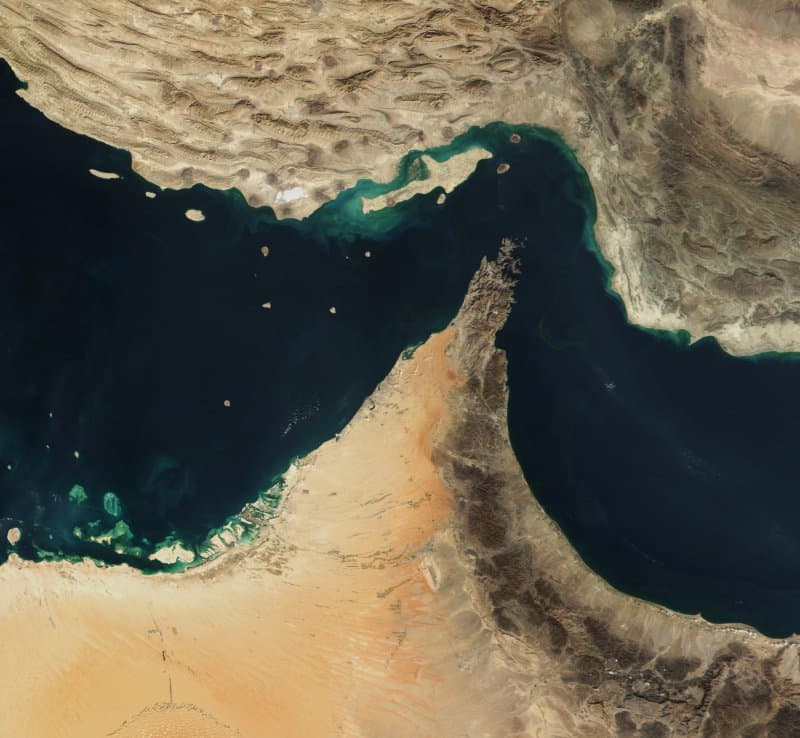
The United States and Iran are reportedly on the verge of signing an interim peace agreement by the end of the week. This deal is expected to include a provision for the reopening of the Strait of Hormuz, potentially within a 30-day timeframe. Following this initial agreement, a 60-day period would commence for both parties to finalize a comprehensive deal.
This development comes amidst ongoing geopolitical tensions in the Middle East, which have historically impacted shipping routes and energy markets. The Strait of Hormuz is a critical chokepoint for global oil and gas shipments, and its status directly influences maritime security and insurance costs.
For freight forwarders and shippers, the reopening of the Strait of Hormuz would likely lead to a reduction in war risk premiums for vessels transiting the area. This could translate into lower operational costs for carriers, potentially easing freight rates for cargo moving through or originating from the Persian Gulf. Improved stability in this vital waterway would also enhance schedule reliability and reduce the need for costly rerouting or heightened security measures. Supply chain analysts should monitor the progress of these negotiations closely, as a final agreement could have long-term positive implications for regional trade and energy logistics.