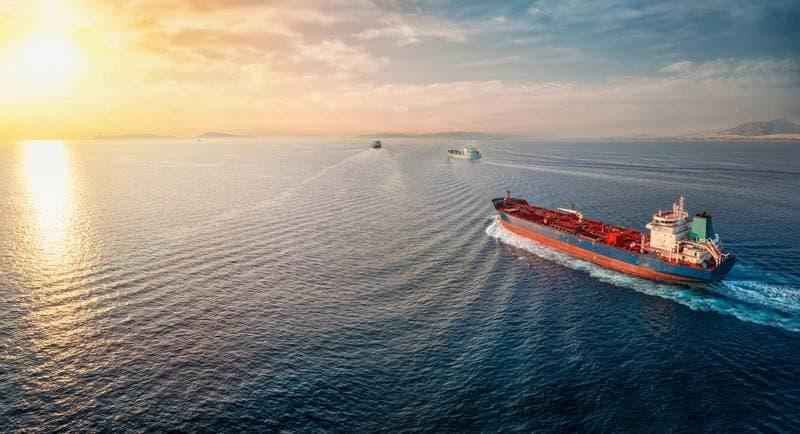
The United Kingdom government has unveiled a new package of 70 sanctions aimed at disrupting Russia's maritime operations, financial infrastructure, and military procurement networks. Key targets include 20 oil tankers identified as part of Russia's 'shadow fleet,' along with various ship insurers and companies providing shipping services that support these operations.
Significantly, the sanctions also name four liquefied natural gas (LNG) vessels involved in transporting LNG to third countries. This move marks the UK as the first G7 nation to sanction LNG carriers recently acquired by Russia specifically to service its Arctic LNG 2 project, which is already under international restrictions. Additionally, the new measures target a Russian military intelligence (GRU) network.
For freight forwarders and logistics professionals, these sanctions introduce increased compliance risks and potential operational complexities when dealing with Russian-linked maritime assets. Forwarders must exercise extreme diligence in vetting vessels, carriers, and insurance providers to avoid inadvertently engaging with sanctioned entities. The inclusion of LNG vessels could impact global energy supply chains and require alternative routing or sourcing for LNG shipments, potentially affecting capacity and rates on specific routes. The broader impact on the shadow fleet could lead to tighter vessel availability for certain commodities and increased scrutiny on vessel ownership and insurance documentation.