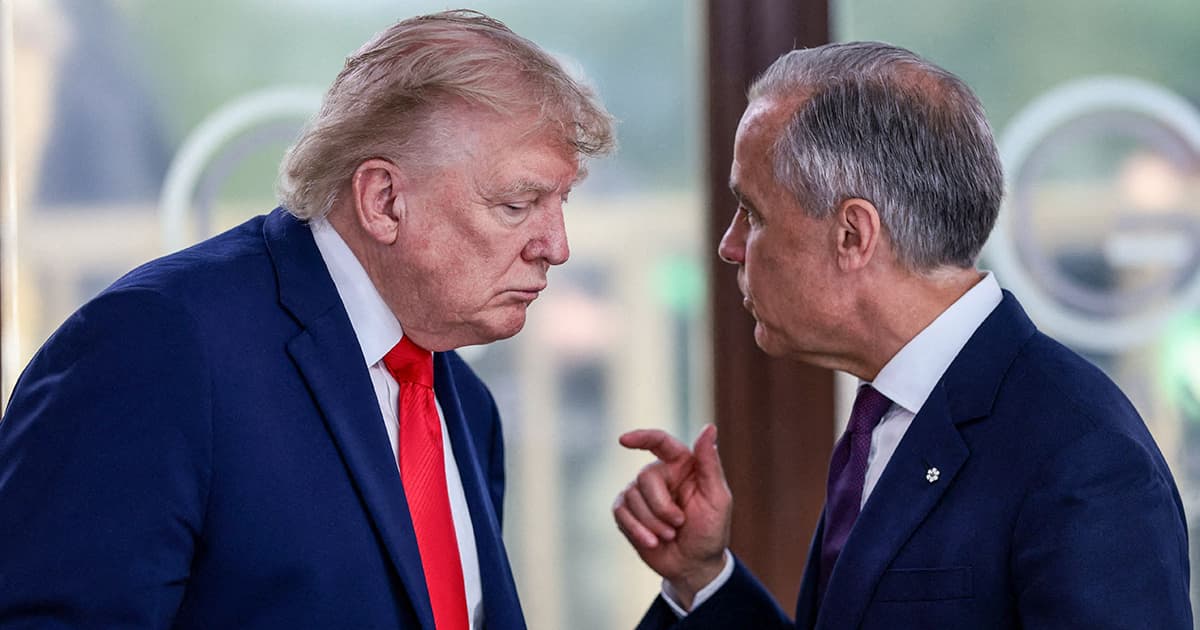
Former President Trump has conveyed his understanding and satisfaction with Canada's current trade arrangement regarding Chinese electric vehicle (EV) imports, as stated by Prime Minister Mark Carney. This policy allows a specific, capped number of Chinese EVs to be imported into Canada while benefiting from a lower tariff rate.
This development suggests a degree of consensus on managing the influx of Chinese-manufactured EVs, which have been a point of contention in global trade discussions, particularly concerning their potential impact on domestic automotive industries. The Canadian approach aims to balance trade relations with the need to protect local markets.
For freight forwarders and supply chain professionals, this indicates a stable, albeit capped, trade lane for Chinese EVs into Canada. While the quota limits volume, the low tariff rate could make these imports attractive. Forwarders should monitor any changes to these quotas or tariff structures, as they directly influence shipping volumes, routing decisions, and overall landed costs for automotive clients. The political alignment or divergence on such trade policies between major economies like the US and Canada can also signal broader trends in global automotive logistics.