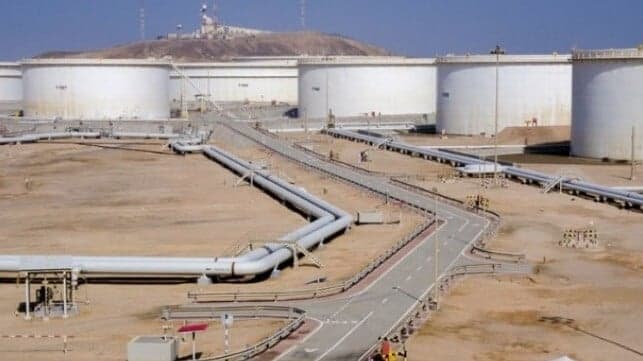
The United Arab Emirates (UAE) is implementing measures to lessen its reliance on the Strait of Hormuz for international shipping. This strategic shift is driven by a desire to diversify its trade routes and reduce vulnerability to potential disruptions in the geopolitically sensitive waterway. The Strait of Hormuz is a vital chokepoint for global oil and gas shipments, as well as general cargo, making any instability a significant concern for regional and international trade.
For freight forwarders and shippers, this development signals a potential for new routing options for cargo originating from or destined for the UAE. Reduced reliance on the Strait of Hormuz could offer more stable and predictable transit times, potentially lowering war risk premiums and improving overall supply chain resilience. It may also lead to the development of new logistics hubs and infrastructure within the UAE, creating alternative gateways for trade that bypass the strait entirely. Forwarders should monitor these infrastructure developments for new service offerings and potential cost efficiencies.
While the article does not specify the exact nature of these alternative routes, they typically involve overland pipelines, rail networks, or new port developments outside the Strait's immediate influence. Such projects aim to provide direct access to the Arabian Sea, offering a strategic advantage by circumventing a region prone to geopolitical tensions.