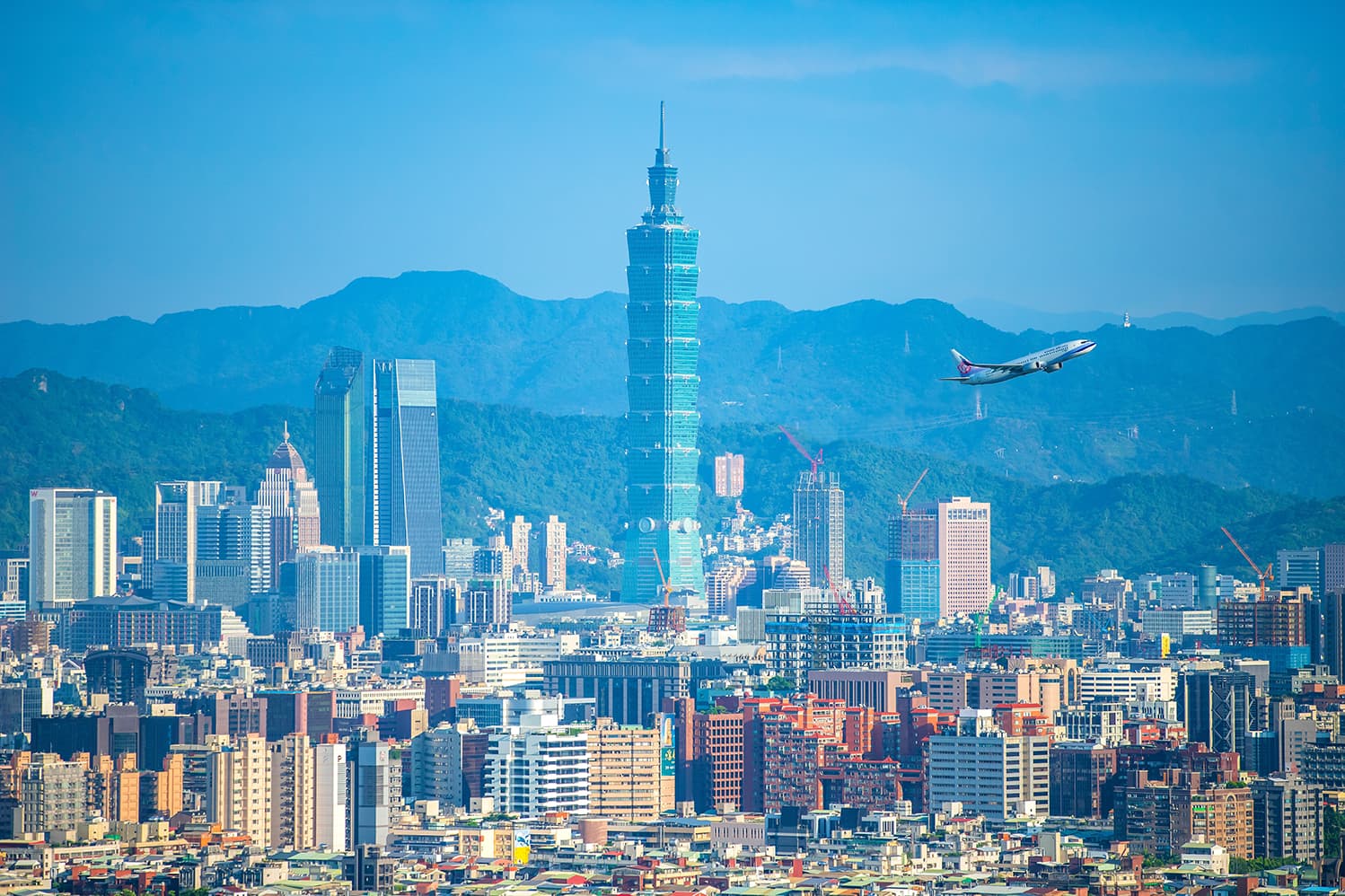
Taiwan has issued a warning about mounting pressure on its semiconductor production and associated logistics, a development that coincides with ongoing instability in global transportation systems. This situation has significant implications for air cargo operators, extending beyond the immediate manufacturing hubs in Asia. It directly affects critical aspects such as capacity allocation, pricing strategies, and the overall resilience of air freight networks serving intercontinental trade lanes.
For freight forwarders and operations managers, this means a heightened risk of rate increases and potential capacity shortages, particularly for high-value goods like electronics that rely heavily on air transport. The sensitivity of semiconductor supply chains to disruptions can quickly translate into broader market impacts, necessitating proactive planning and diversified routing options to mitigate risks. Shippers should prepare for potential delays and elevated costs for time-sensitive cargo.
The semiconductor industry's importance to numerous sectors means any strain on its supply chain can ripple through various industries globally. Forwarders must closely monitor developments in Taiwan and adjust their strategies to navigate potential bottlenecks and ensure continuity for their clients.