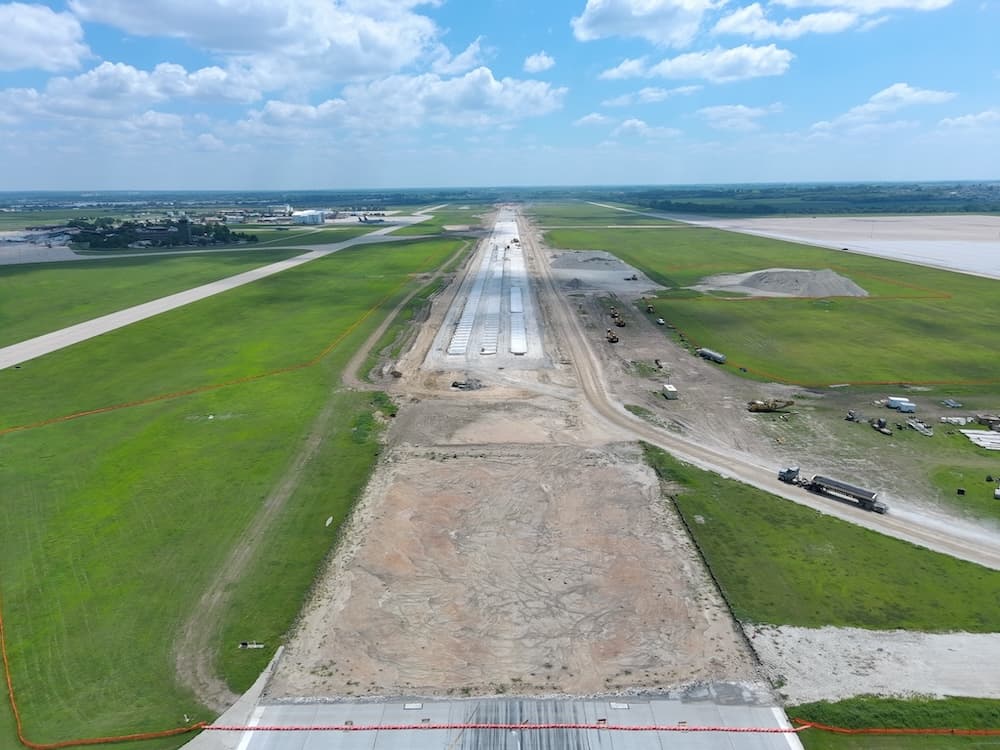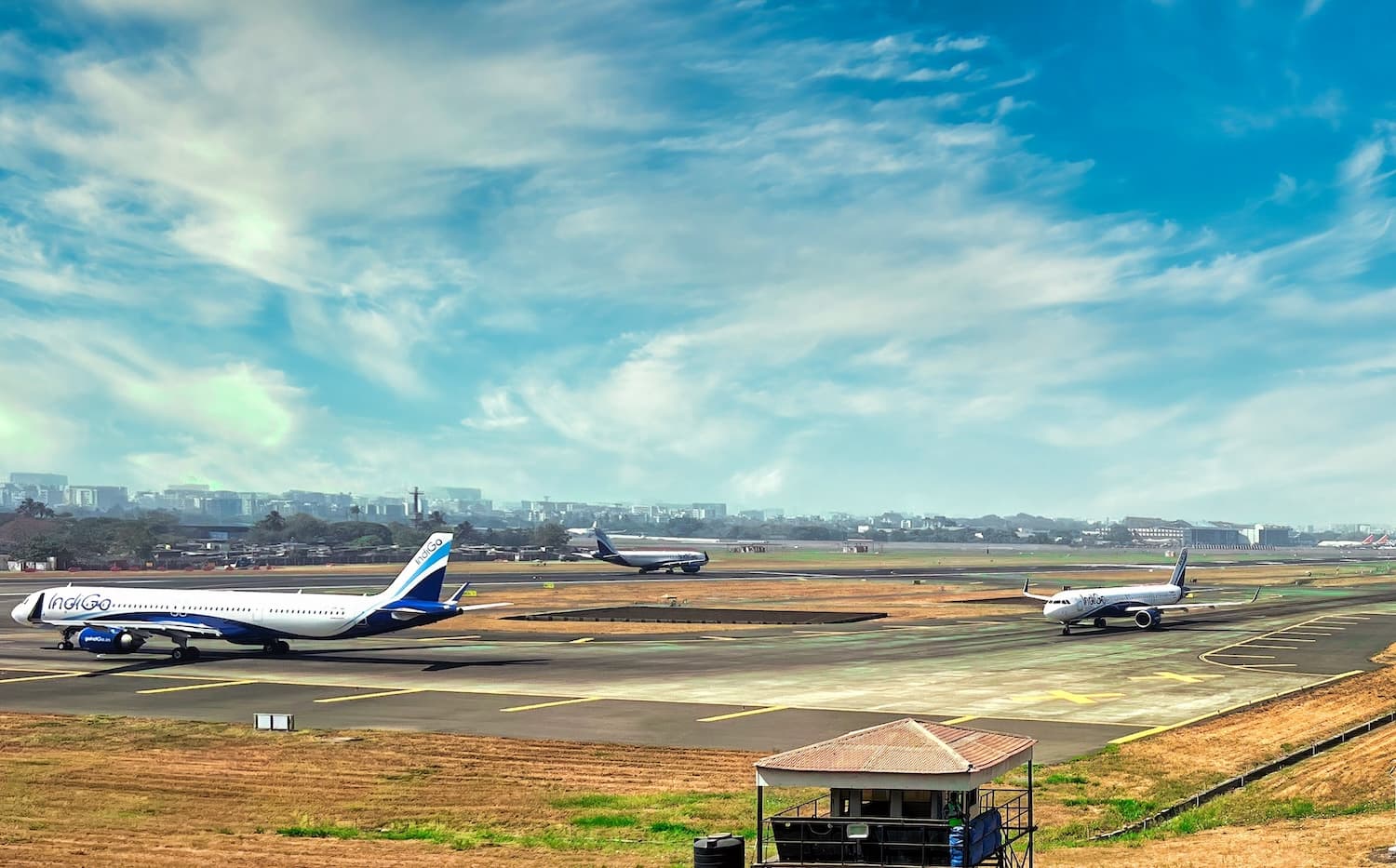
India has recently inaugurated two major international airports, Navi Mumbai International Airport and Noida International Airport at Jewar, both opening within a six-month period. This development marks a significant increase in aviation capacity for India's two most densely populated and economically active regions. The primary goal of these new hubs is to relieve the long-standing operational pressures on Delhi and Mumbai airports, which have been operating at or above their designed capacities with limited options for further expansion.
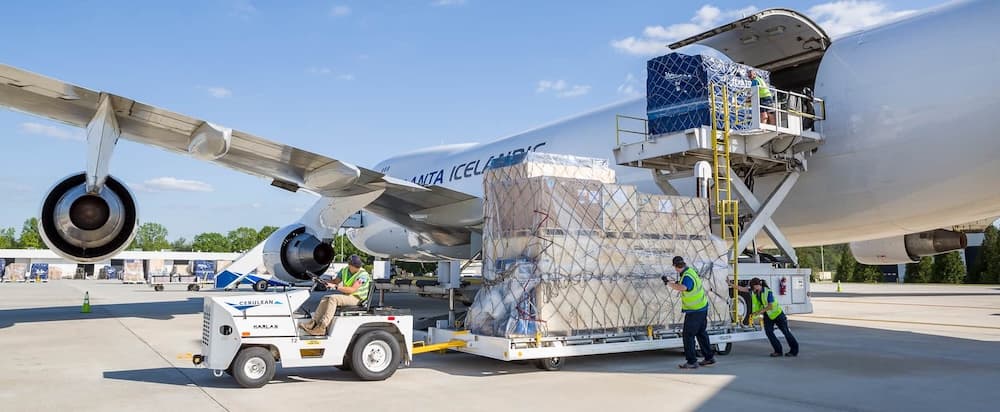
For freight forwarders and operations managers, this expansion is crucial. The additional capacity at these new airports is expected to improve schedule reliability and potentially reduce ground handling delays that have plagued the congested Delhi and Mumbai gateways. Increased competition and available slots could also lead to more stable or even reduced air freight rates for cargo moving in and out of these key Indian markets. Forwarders should monitor the integration of cargo facilities and customs processes at these new airports to optimize their routing and transit times for shipments to and from India.