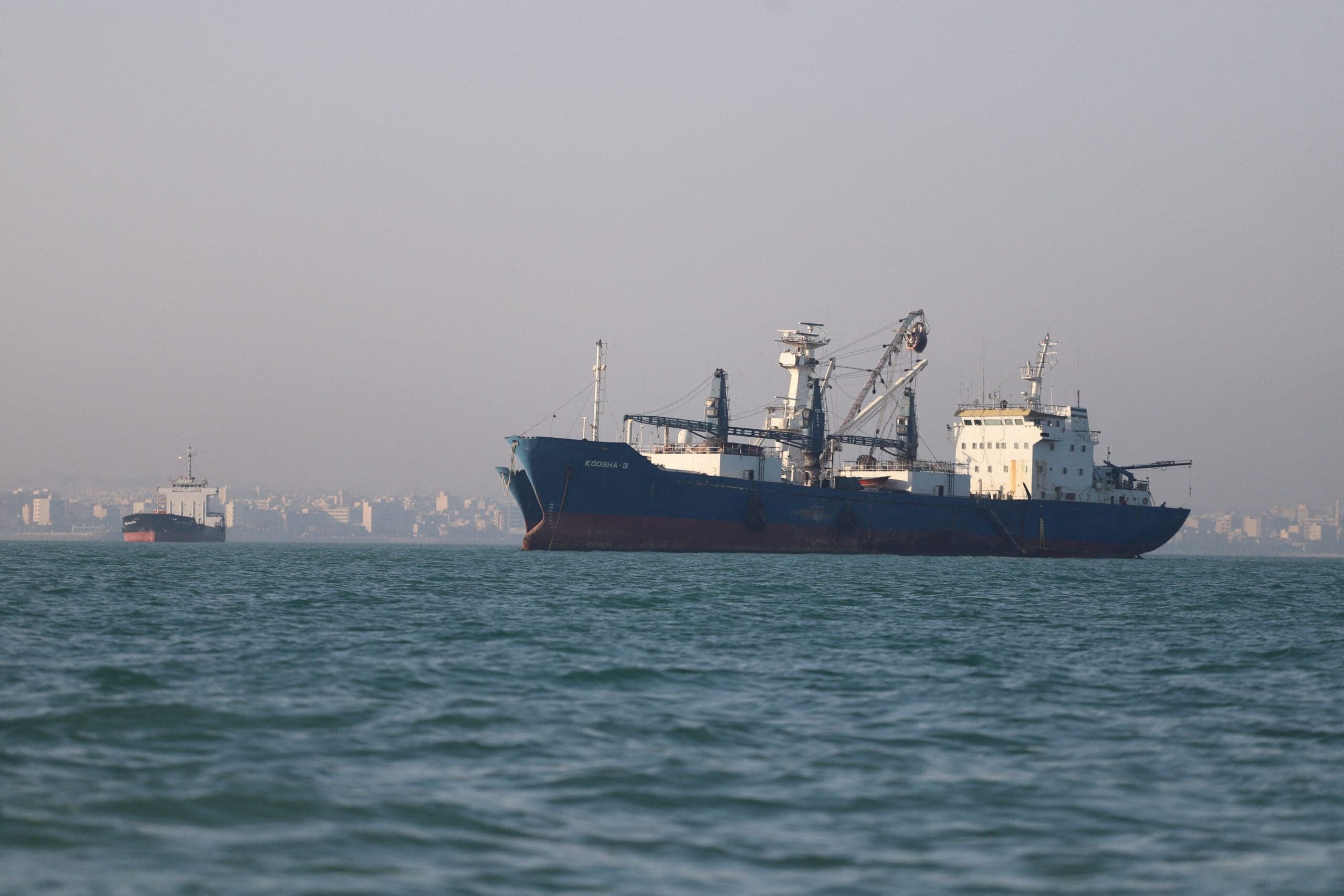
US initiatives aimed at improving the security of shipping channels within the Strait of Hormuz are projected to enable a phased rise in vessel movements through this critical waterway. However, the security environment in the region continues to be highly unstable, requiring constant monitoring.
This situation underscores the persistent geopolitical tensions affecting key maritime choke points. The Strait of Hormuz is a vital passage for a significant portion of global oil and gas shipments, making its security paramount for international energy markets and trade.
For freight forwarders and shippers, the "hour-to-hour" security assessment means that transit through the Strait of Hormuz carries inherent risks and potential for disruption. This volatility can lead to increased war risk premiums, delays, and the need for contingency planning. Forwarders must stay updated on security advisories and communicate potential impacts to clients, particularly those with cargo on vessels traversing this area. Operational managers should factor in potential rerouting or extended transit times, which could affect supply chain schedules and costs.
While a gradual increase in transits is anticipated, the underlying security concerns suggest that the situation could change rapidly, necessitating agile responses from the logistics industry.