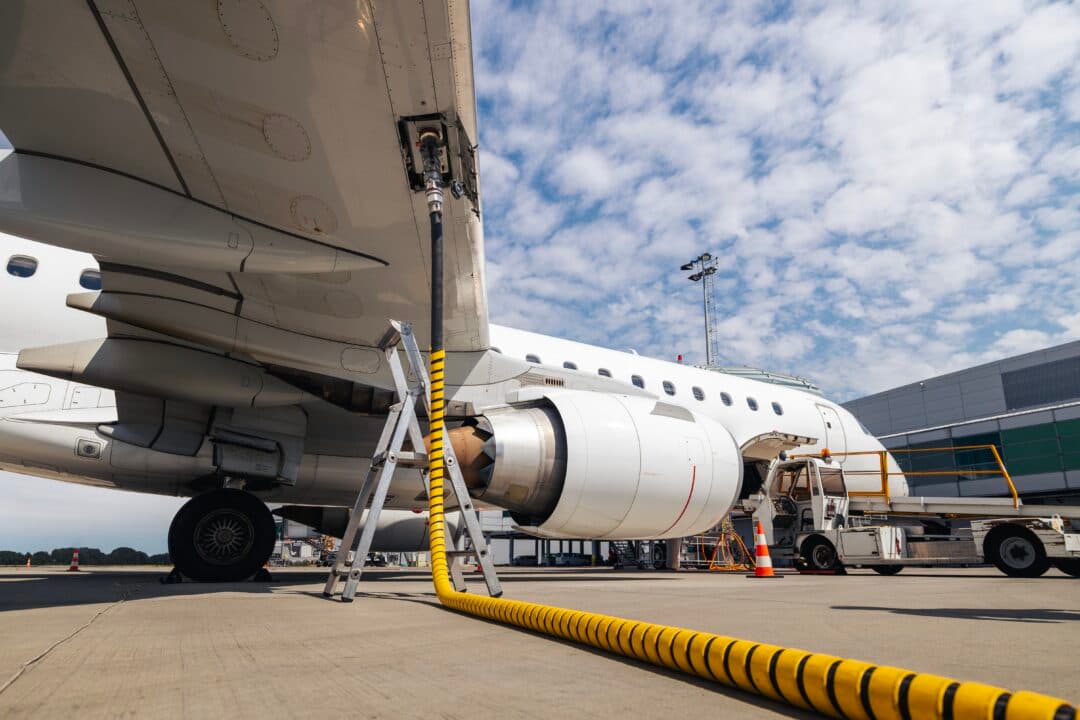
Earlier this year, the aviation industry experienced significant fuel supply bottlenecks due to escalating geopolitical tensions in critical regions. These events prompted governments to implement fuel restrictions, which directly impacted air carriers by limiting available capacity. Consequently, air cargo operations faced increased costs and operational challenges.
This incident brought to light the air cargo sector's inherent vulnerability to fuel supply chain disruptions, an issue that the industry has often downplayed. For freight forwarders and operations managers, such fuel constraints translate directly into higher airfreight rates and potential delays. Reduced capacity means less space available for cargo, forcing forwarders to either pay premium prices or seek alternative, potentially slower, shipping methods. This also necessitates closer monitoring of geopolitical developments and fuel market stability to anticipate and mitigate future impacts on air cargo logistics.