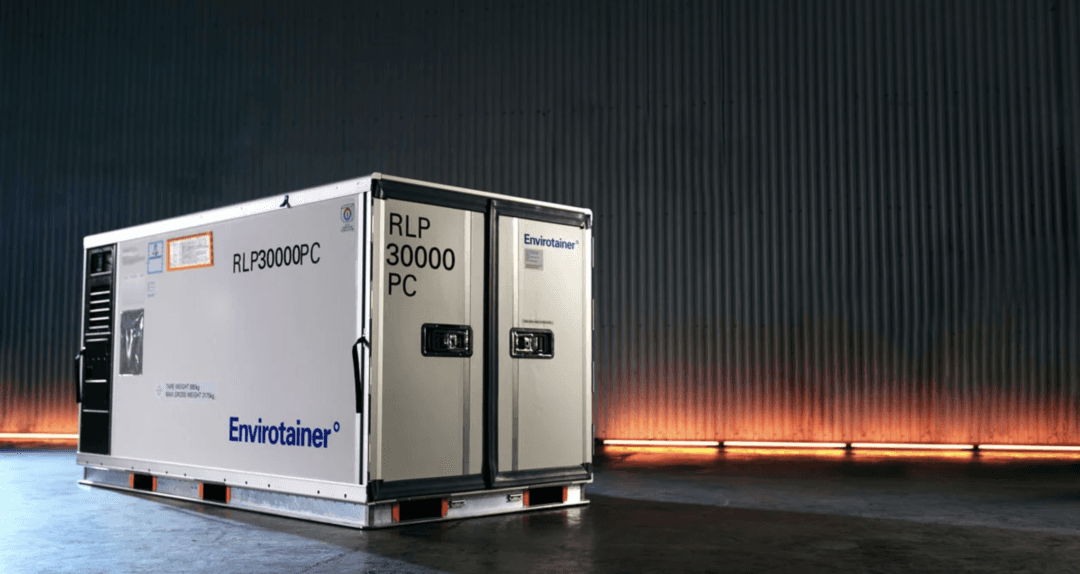
The Americas are currently facing a consistent and increasing need for temperature-controlled transportation services. This demand is primarily fueled by the expanding market for biologics, cell and gene therapies, and personalized medicines, which inherently require strict temperature maintenance throughout their journey.
Logistics providers are under pressure to rapidly adapt their supply chain capabilities to ensure the integrity of these sensitive products, particularly across long and intricate trade lanes. This adaptation involves integrating specialized packaging solutions, developing capabilities for ultra-low temperature storage and transport, and implementing advanced monitoring systems to track conditions in real-time.
For freight forwarders and operations managers, this trend signifies a growing specialization within the air cargo sector. It means increased focus on compliance with stringent pharmaceutical handling protocols, investment in specialized equipment and training for cold chain management, and a potential for higher-value cargo movements. Capacity for ultra-cold storage and transport will become a critical factor, potentially influencing routing decisions and requiring closer collaboration with specialized carriers and packaging suppliers. The need for agility in these supply chains also implies a focus on robust contingency planning and real-time visibility tools to mitigate risks associated with sensitive cargo.