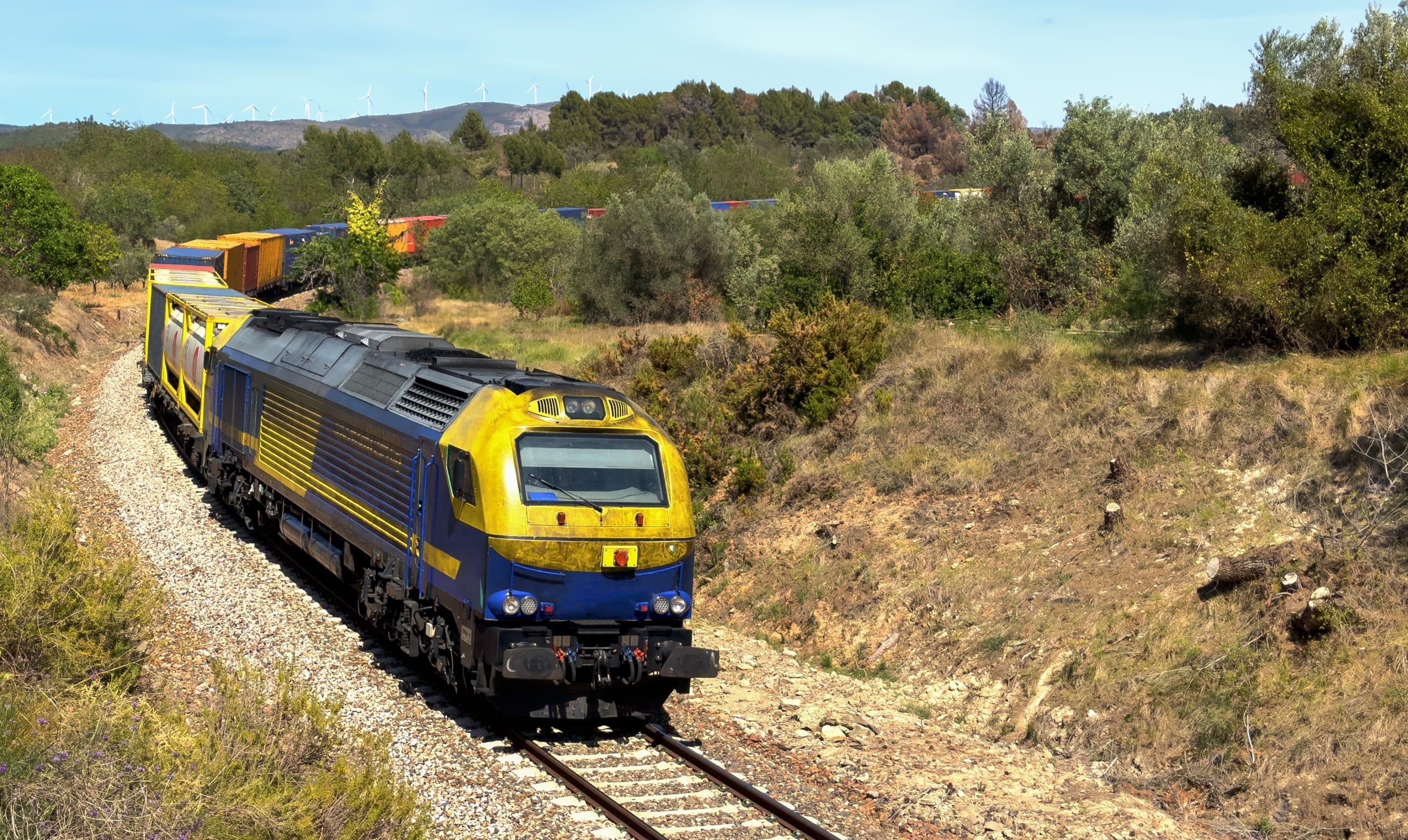
In early 2026, Spain experienced multiple fatal rail incidents, including two train crashes, which have severely impacted the country's rail sector. As a direct consequence, both passenger and freight volumes on Spanish railways have decreased substantially, reaching levels comparable to the lowest points observed during the pandemic.
For freight forwarders and logistics operations managers, this reduction in rail capacity and reliability in Spain could necessitate a re-evaluation of inland transport strategies. Shippers may face increased transit times or higher costs if they need to divert cargo to road transport, which could experience higher demand. This situation highlights the importance of monitoring local infrastructure stability and considering alternative routing options to mitigate potential disruptions.