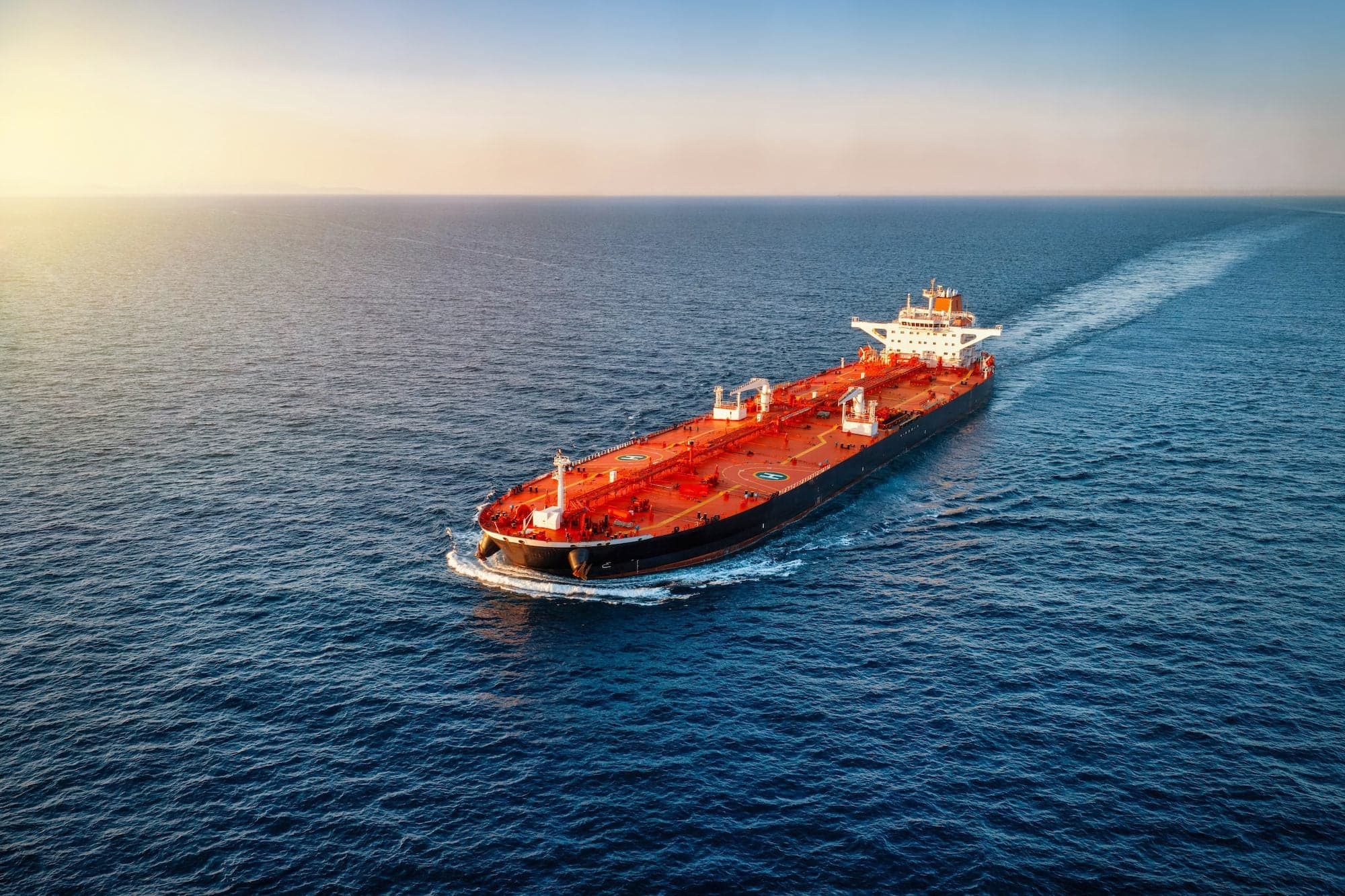
The International Energy Agency (IEA) has announced a substantial reduction in its projections for worldwide oil demand. This downgrade is directly linked to the sustained conflict and instability within the Strait of Hormuz region, which has been ongoing for several months. The IEA indicates that these geopolitical events have fundamentally altered established oil trade patterns and led to a significant draw-down of global oil reserves.
This situation stems from the critical role the Strait of Hormuz plays as a chokepoint for global oil shipments. Disruptions in this area force rerouting, increase transit times, and elevate operational risks for tankers, ultimately affecting supply chains and market stability.
For freight forwarders and shippers, this development signals potential volatility in bunker fuel prices, which are directly tied to crude oil markets. Increased geopolitical risk and altered trade flows in a major oil transit region could lead to higher insurance premiums for vessels, extended transit times due to rerouting, and ultimately, increased operational costs. Forwarders should anticipate potential rate adjustments and factor in greater uncertainty when planning routes that could be indirectly affected by global oil market shifts.
While the source does not specify future actions, the IEA's revised outlook suggests a continued period of adjustment in oil markets as they adapt to the new realities imposed by the Hormuz situation.