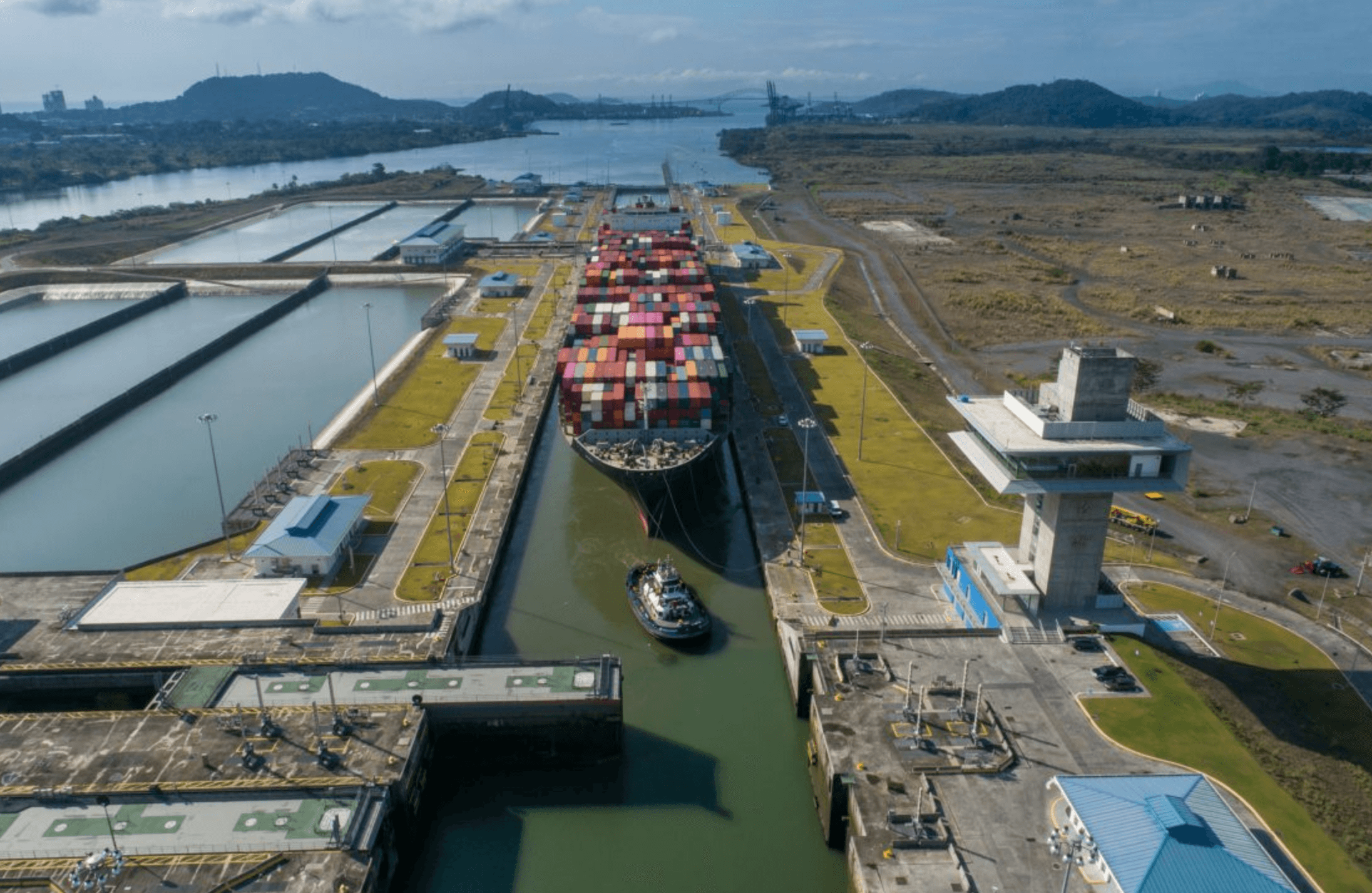
The Panama Canal Authority is currently sustaining 38 daily vessel transits, despite the ongoing challenges posed by El Niño's impact on water levels in Gatún Lake. The authority has implemented various water-saving measures to manage the available resources effectively. This situation is particularly critical for operators in the shipping, breakbulk, and project cargo sectors, who are closely observing the water levels.
For freight forwarders and operations managers, the sustained transit capacity is a positive development, preventing immediate disruptions to vessel schedules and cargo movements through this vital waterway. However, the continuous monitoring of water levels and the long-term forecast, especially for 2027, suggest that future adjustments to transit numbers or vessel drafts could become necessary. This means forwarders should remain vigilant for potential capacity constraints or routing changes that might impact lead times and costs for shipments utilizing the Panama Canal.
The canal's management is proactively planning for potential impacts in 2027, indicating a recognition of the persistent environmental challenges. While current operations remain stable, the long-term outlook suggests a need for ongoing adaptation to climate-related hydrological changes.