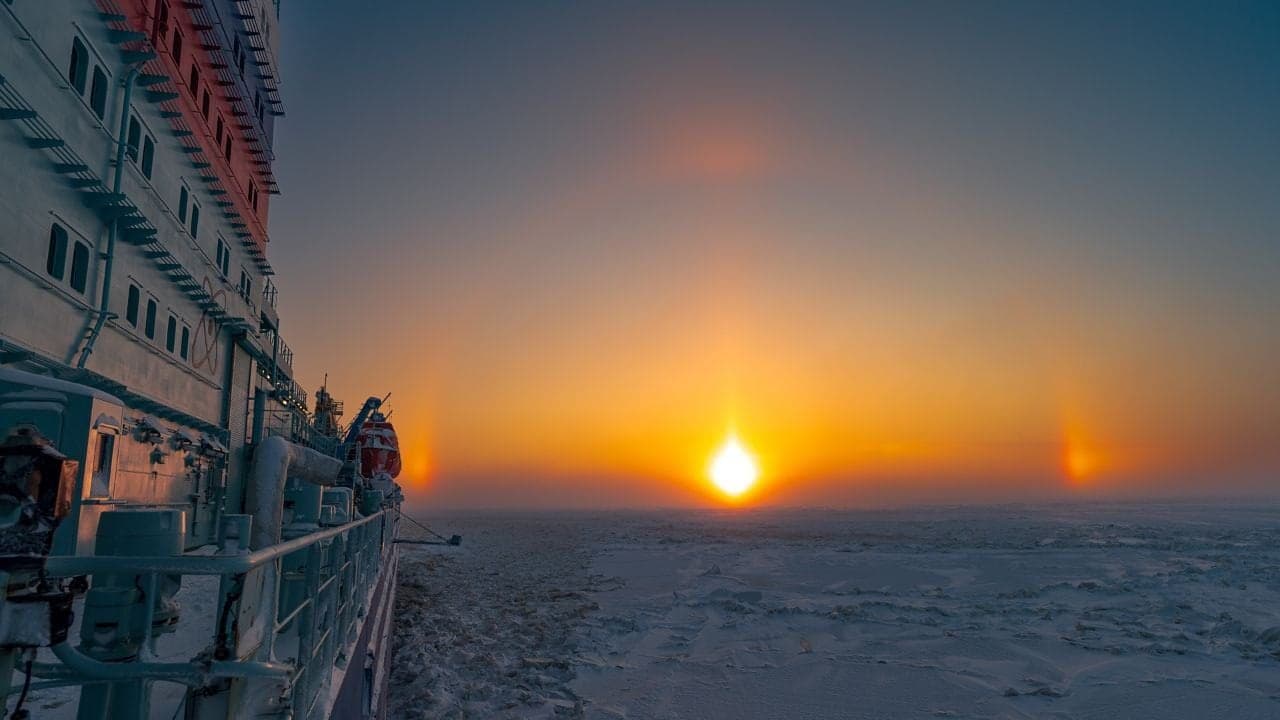
Satellite images have confirmed that the Russian liquefied natural gas (LNG) carrier, Christophe de Margerie, undertook an eastbound journey along the Northern Sea Route (NSR) earlier than typically feasible in the season. The vessel, which is currently under international sanctions, was reportedly escorted by the nuclear-powered icebreaker Ural. This transit is notable as it represents only the third recorded instance of a vessel navigating this Arctic route so early in the year.
This development underscores Russia's ongoing strategic focus on developing and utilizing the Northern Sea Route for commercial shipping, particularly for energy exports. Despite the challenges posed by sanctions and the harsh Arctic environment, the early transit demonstrates a commitment to expanding the operational window of the NSR.
For freight forwarders and supply chain managers, this event signifies the continued, albeit limited, accessibility of Arctic routes for specific cargo types, particularly LNG. While direct engagement with sanctioned entities or vessels remains restricted, the broader implications include potential shifts in global shipping patterns if Arctic routes become more consistently viable. It also highlights the complexities of navigating international sanctions while monitoring alternative trade corridors. Forwarders should remain aware of the geopolitical factors influencing such routes and their potential, albeit currently niche, impact on global logistics planning.
No further immediate developments regarding future early-season transits or changes to the sanctions regime were indicated in the source.