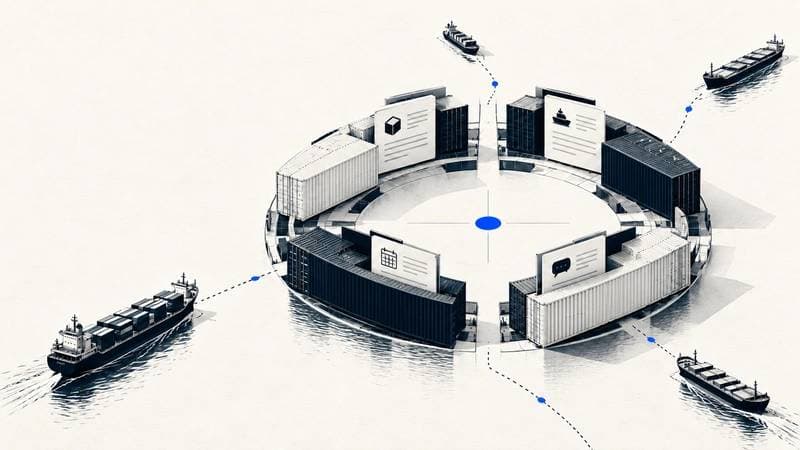
Marcura CEO Henrik Hyldahn recently featured in a podcast, where he delved into the transformative potential of artificial intelligence within the maritime sector, specifically focusing on its application in modern vessel operations. The conversation likely covered how AI can improve decision-making processes, streamline complex tasks, and enhance overall operational efficiency for shipping companies.
For freight forwarders and operations managers, the integration of AI in vessel operations could lead to more predictable schedules and improved reliability. This might translate into better estimated times of arrival (ETAs), reduced delays, and potentially more stable capacity, which are crucial factors for supply chain planning and customer satisfaction. Enhanced operational efficiency through AI could also indirectly influence freight rates by optimizing fuel consumption and port turnaround times.
While the podcast content is not available, such discussions typically address how AI tools can assist in optimizing routes to avoid adverse weather, predict equipment failures before they occur, and manage bunker consumption more effectively. These advancements aim to create a more resilient and cost-efficient shipping environment. The ongoing adoption of AI is expected to continue shaping the future of maritime logistics, offering new solutions for long-standing operational challenges.