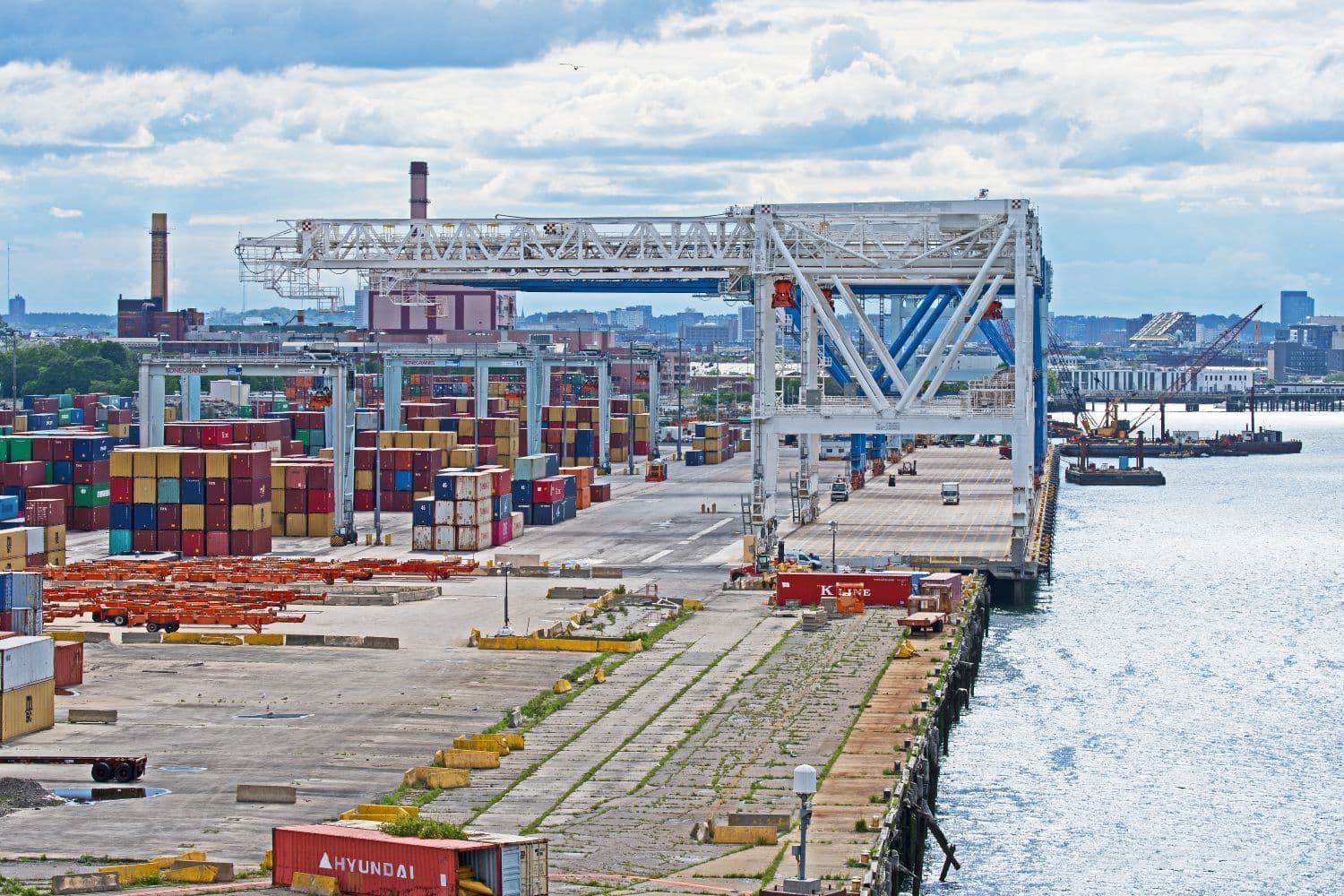
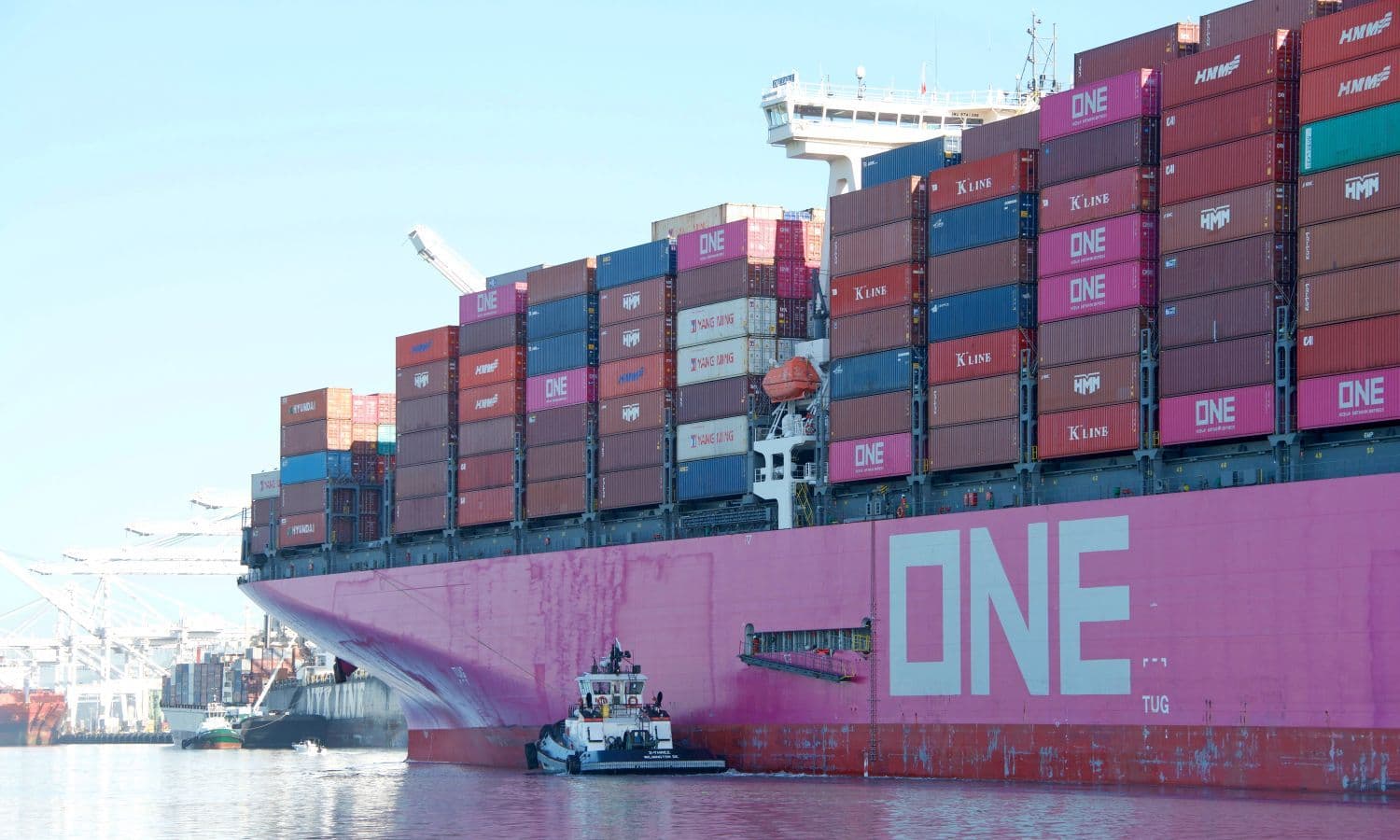
The Port of Long Beach experienced its highest September container volume ever, attributed to a substantial influx of imports. The port processed 870,000 TEUs during the month, marking a significant increase compared to previous years. This import-driven growth led to an imbalance, with inbound cargo volumes more than five times greater than outbound exports.
This record performance follows a trend of strong import demand on the US West Coast. The increased throughput indicates sustained consumer spending and inventory restocking efforts by businesses. The high import-to-export ratio suggests that while goods are flowing into the US at a rapid pace, there is less demand for US exports, or other factors are hindering their movement.
For freight forwarders and operations managers, this surge in imports at Long Beach could imply continued pressure on terminal operations and inland logistics. While capacity appears to be handling the current volumes, sustained high import levels might lead to increased dwell times for containers and chassis availability challenges. Forwarders should monitor port efficiency and potential congestion, especially for transpacific lanes, and factor in possible delays for inland distribution. The significant imbalance also means that empty container repositioning will remain a key operational consideration for carriers.
No specific future outlook or plans were mentioned in the source article regarding this trend.