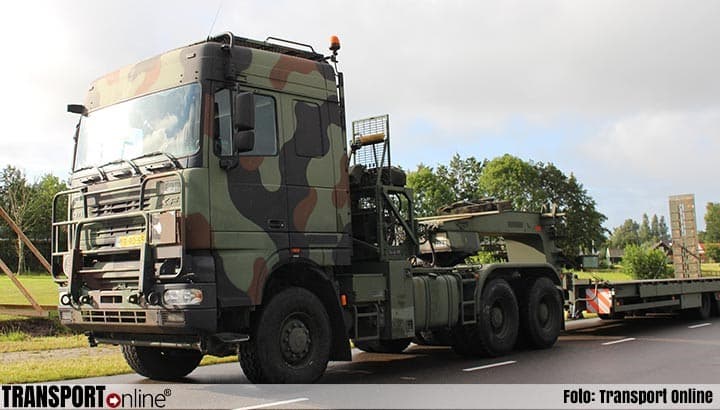
The International Road Transport Union (IRU) has expressed support for the advancements made by the European Council and Parliament regarding new European military mobility regulations. However, the organization simultaneously highlighted concerns that current provisions do not adequately protect civilian road transport operators who may be required to assist with military logistics in crisis scenarios. The IRU is advocating for stronger legal certainty to ensure these civilian transporters are not unduly exposed to risks or liabilities when fulfilling such critical support roles.
For freight forwarders and logistics managers, this development underscores potential operational complexities. While the EU aims to streamline military movements, the lack of clear legal frameworks for civilian involvement could create ambiguities regarding contractual obligations, insurance coverage, and liability in high-stakes situations. Forwarders engaging in government or defense contracts, or those operating in regions prone to geopolitical instability, should monitor these regulatory discussions closely. Understanding the evolving legal landscape will be crucial for risk assessment, contingency planning, and ensuring compliance when civilian assets are mobilized for defense purposes.