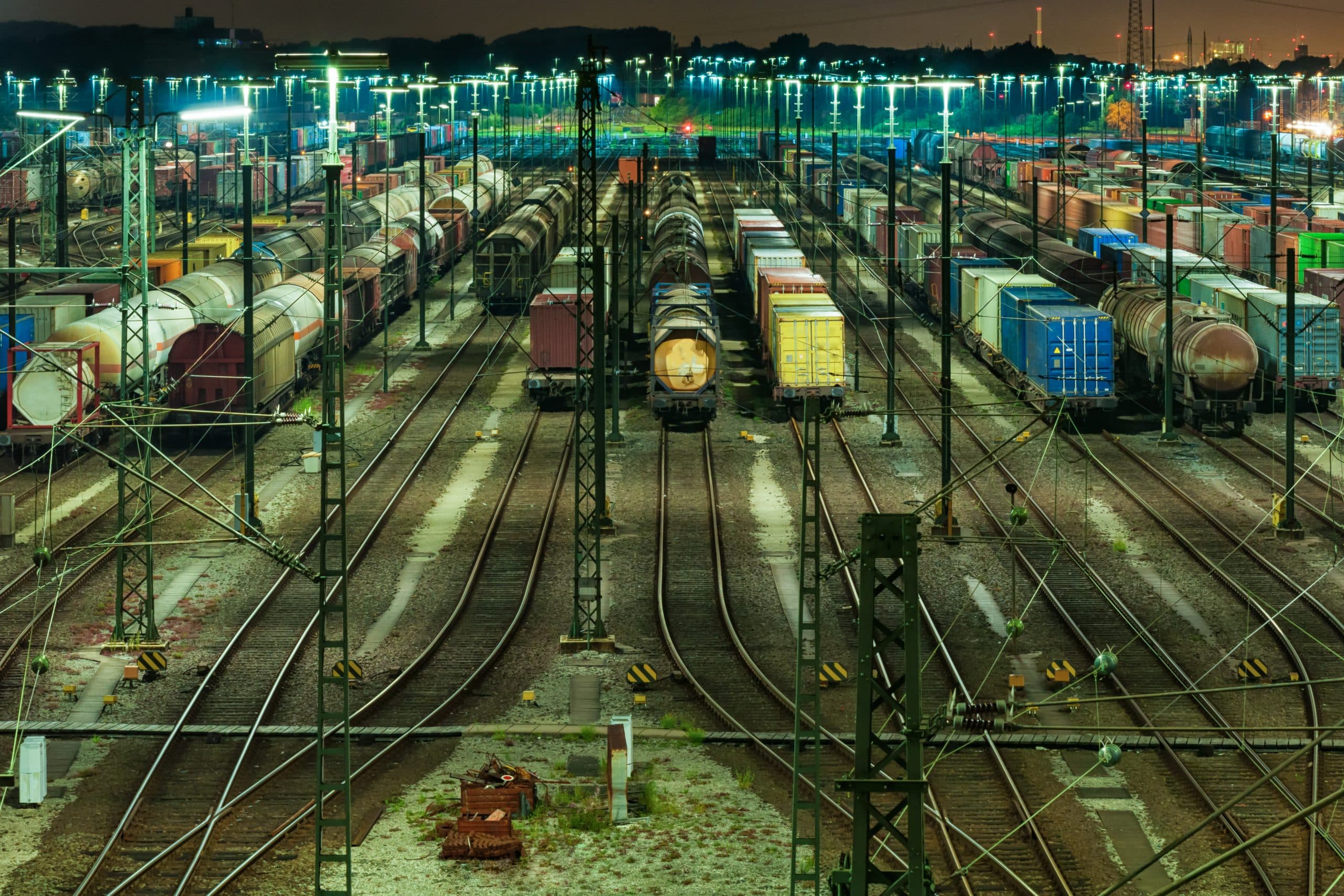
Halfway through 2026, the reliability of rail freight services in Germany has become a primary concern. The German rail network is particularly susceptible to disruptions, where even minor incidents can cause extensive and prolonged delays, sometimes lasting several days. This situation underscores a broader challenge within the country's rail infrastructure, indicating a lack of robust resilience against operational interruptions.
For freight forwarders and operations managers, this translates into increased transit times and unpredictable schedules for cargo moving through Germany. The ripple effect of these delays can impact supply chains across Europe, leading to missed connections, higher demurrage costs, and the need for alternative transport arrangements, potentially at greater expense. Planning and execution become more complex, requiring constant monitoring and flexible contingency strategies to mitigate the impact on shipments.