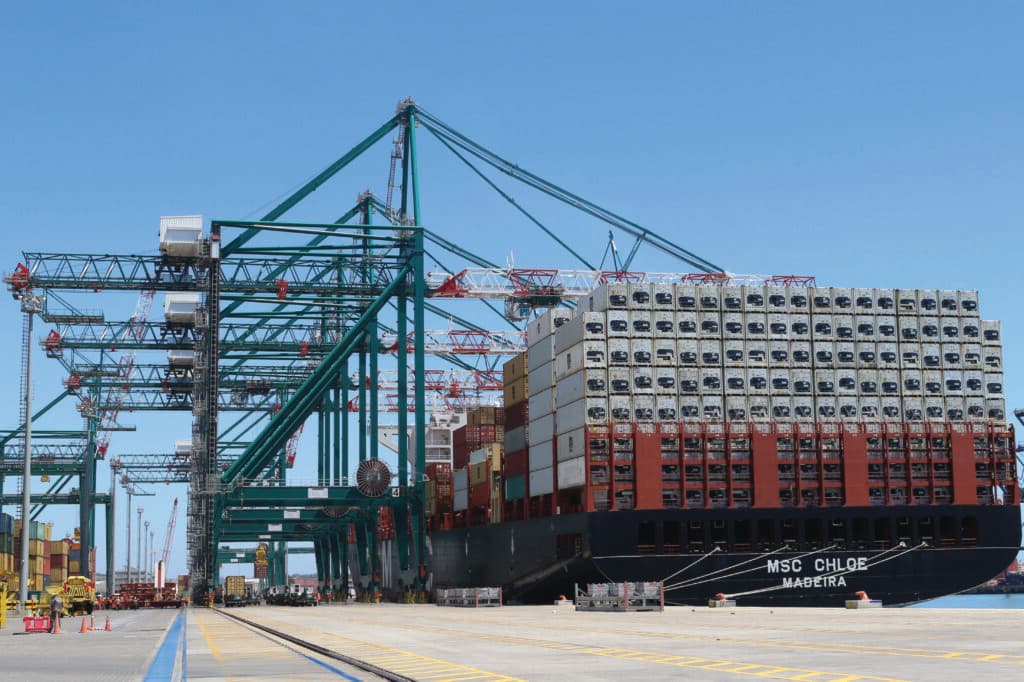
In the past two weeks, three substantial transactions involving port infrastructure have taken place simultaneously. These deals highlight a growing trend where investment firms are increasingly acquiring ownership or significant stakes in global port assets. This influx of "disruption capital" is altering the traditional architecture of port control, moving it from primarily state-owned or carrier-controlled entities towards a more diverse, financially driven ownership model.
For freight forwarders and operations managers, this shift could have several implications. New ownership might lead to changes in port management, investment priorities, and operational efficiencies. Depending on the investor's strategy, this could result in improved infrastructure, enhanced digitalization, or altered pricing structures for port services. Forwarders may need to monitor these ownership changes closely, as they could impact port capacity, turnaround times, and overall supply chain reliability in key trade hubs. The long-term effects on port competition and service levels remain to be seen, but a more financially focused ownership could prioritize profitability, potentially affecting port charges and service offerings.