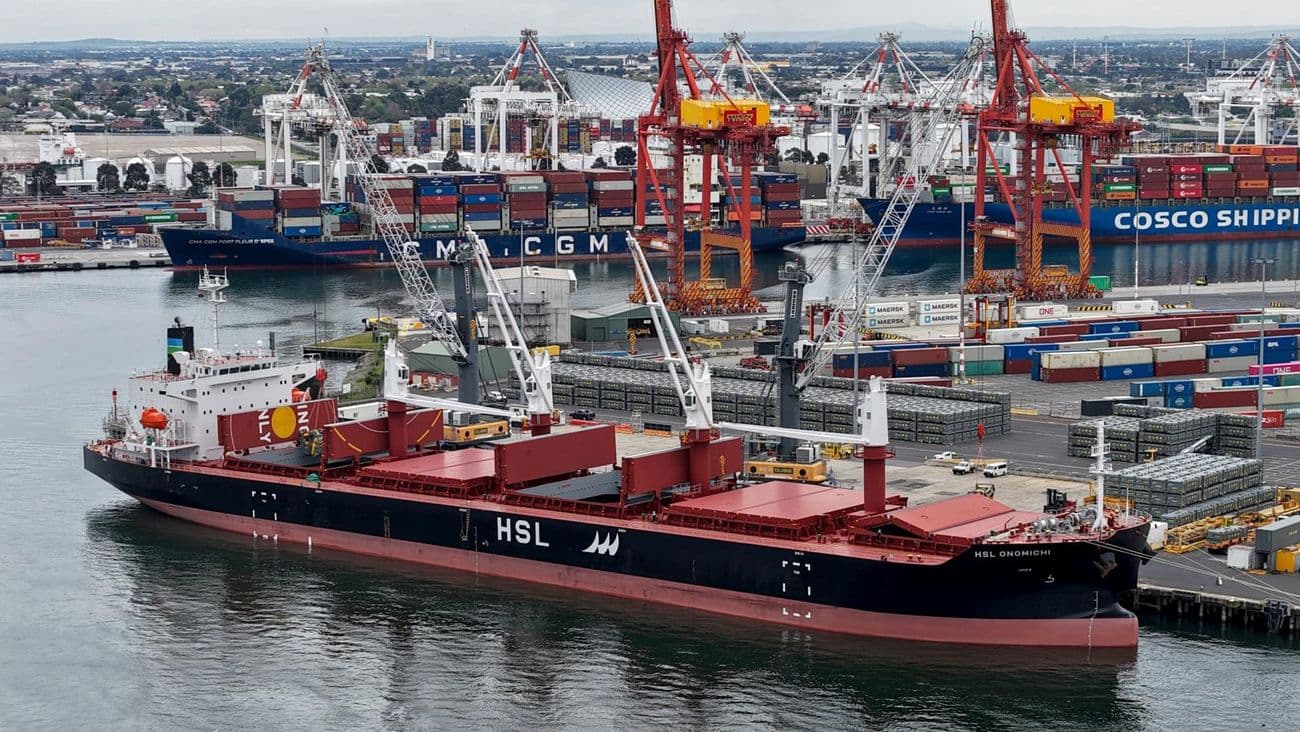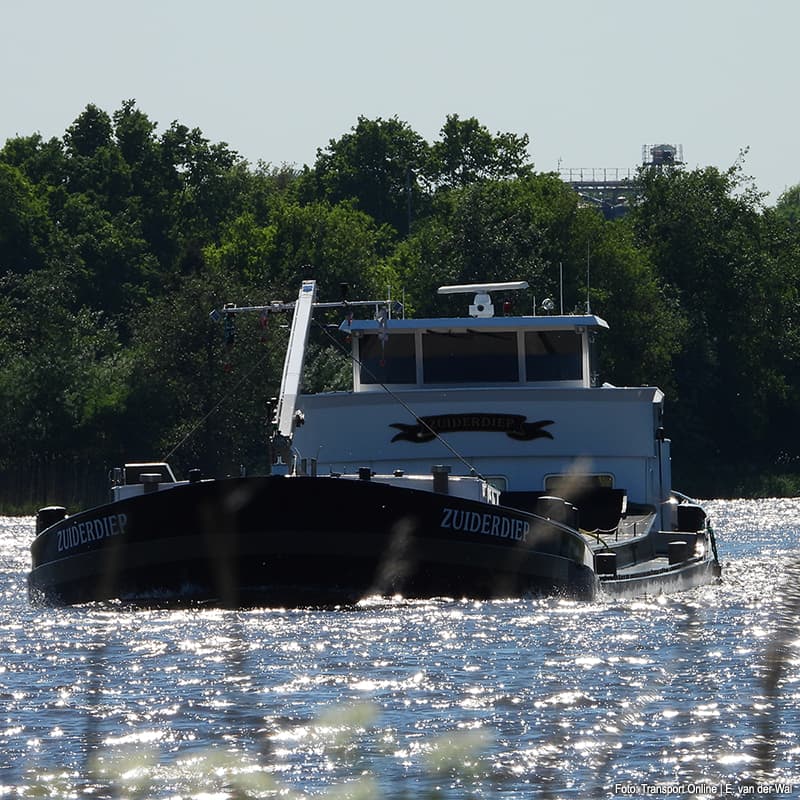
Dutch inland navigation maintained consistent transport volumes in 2025, handling approximately 333 million tons of cargo across its waterways, a figure nearly identical to the previous year. Despite the overall stability, there were distinct changes in the composition of goods moved. The transport of coal, containers, and metal products experienced an increase, indicating evolving industrial demand and supply chain dynamics. Conversely, volumes for wet bulk, iron ore, and sand decreased.
For freight forwarders and operations managers, this data suggests a stable but shifting demand landscape within the Dutch inland network. The rise in container transport via inland waterways could indicate a continued effort to de-congest road networks and leverage multimodal solutions for last-mile delivery or feeder services to major ports. The increase in coal transport might reflect specific energy or industrial sector requirements. Forwarders should monitor these commodity trends to optimize their inland routing and capacity planning, particularly for containerized cargo and specific bulk commodities, understanding that while overall volumes are flat, specific sectors are growing.