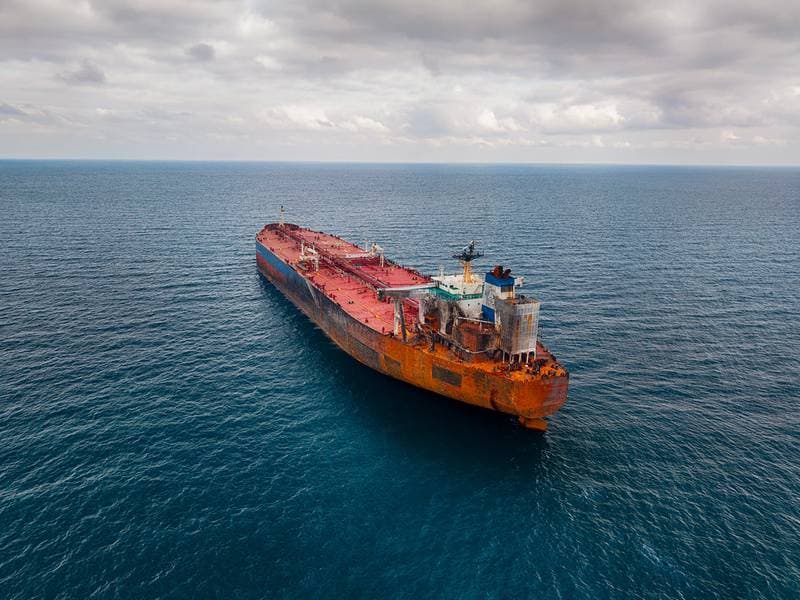
The European Union has implemented a new round of sanctions against Russia, specifically targeting the shipping-related activities of major energy companies Gazprom and Lukoil. This move is part of a broader strategy to diminish Russia's energy income and to counteract the operations of its 'shadow fleet' – vessels often used to circumvent existing sanctions.
On Monday, EU governments collectively added 34 individuals and 47 entities to their sanctions list. These measures are largely focused on disrupting the maritime logistics networks that support Russian energy exports.
For freight forwarders and supply chain managers, these expanded sanctions could lead to increased scrutiny of vessel ownership and operational ties, particularly for shipments involving Russian-origin energy products or companies. It may also impact the availability of certain vessels or necessitate changes in routing and compliance checks, potentially increasing administrative burdens and operational costs. Forwarders must ensure robust due diligence processes are in place to avoid inadvertently engaging with sanctioned entities or vessels, which could lead to severe penalties.