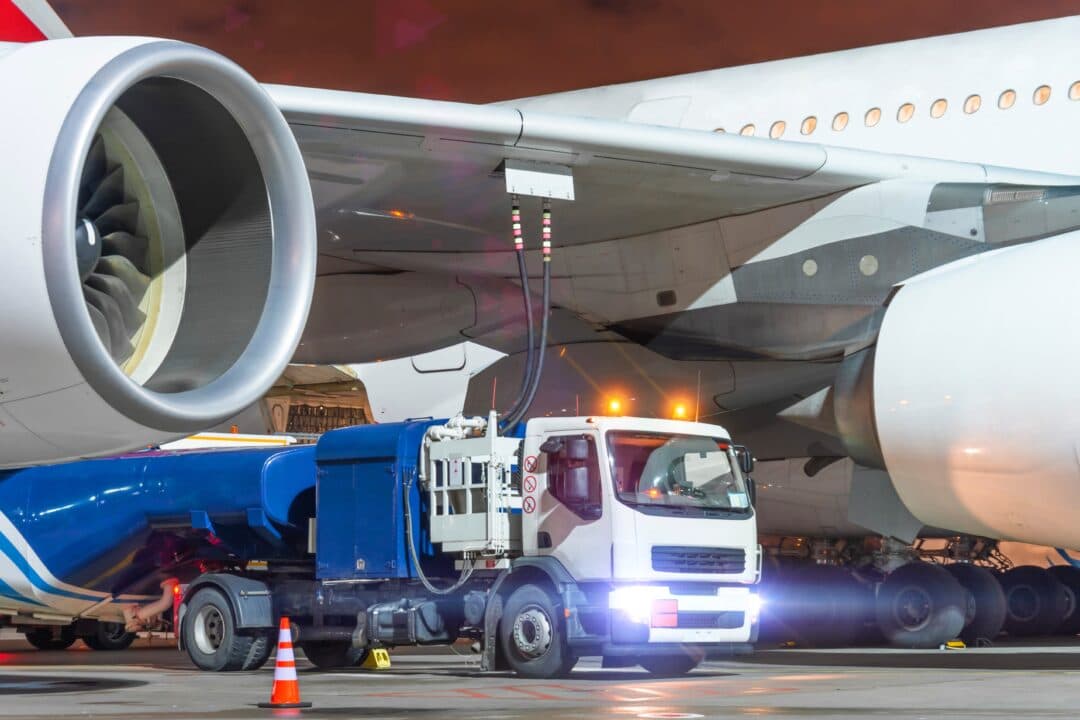
The Indian government has established a $1.056 billion stabilization fund designed to buffer its domestic aviation industry against the unpredictable swings in aviation turbine fuel (ATF) costs. This financial intervention seeks to alleviate the significant economic strain placed on airlines by volatile fuel prices, which have been exacerbated by ongoing instability in West Asian energy markets. The primary goal is to maintain operational continuity and prevent disruptions to air travel and cargo networks.
For freight forwarders and logistics professionals, this measure could translate into more stable air cargo rates from India, reducing the likelihood of sudden fuel surcharges that often accompany sharp increases in ATF prices. Predictable fuel costs allow airlines to better manage their operational expenses, which can lead to more consistent pricing for shippers and forwarders. This stability is crucial for supply chain planning and budgeting, especially for time-sensitive air cargo movements.
While the immediate impact is on domestic Indian carriers, a more stable operating environment for these airlines could indirectly benefit international air cargo operations originating from or transiting through India, by fostering overall market stability and potentially improving capacity reliability.