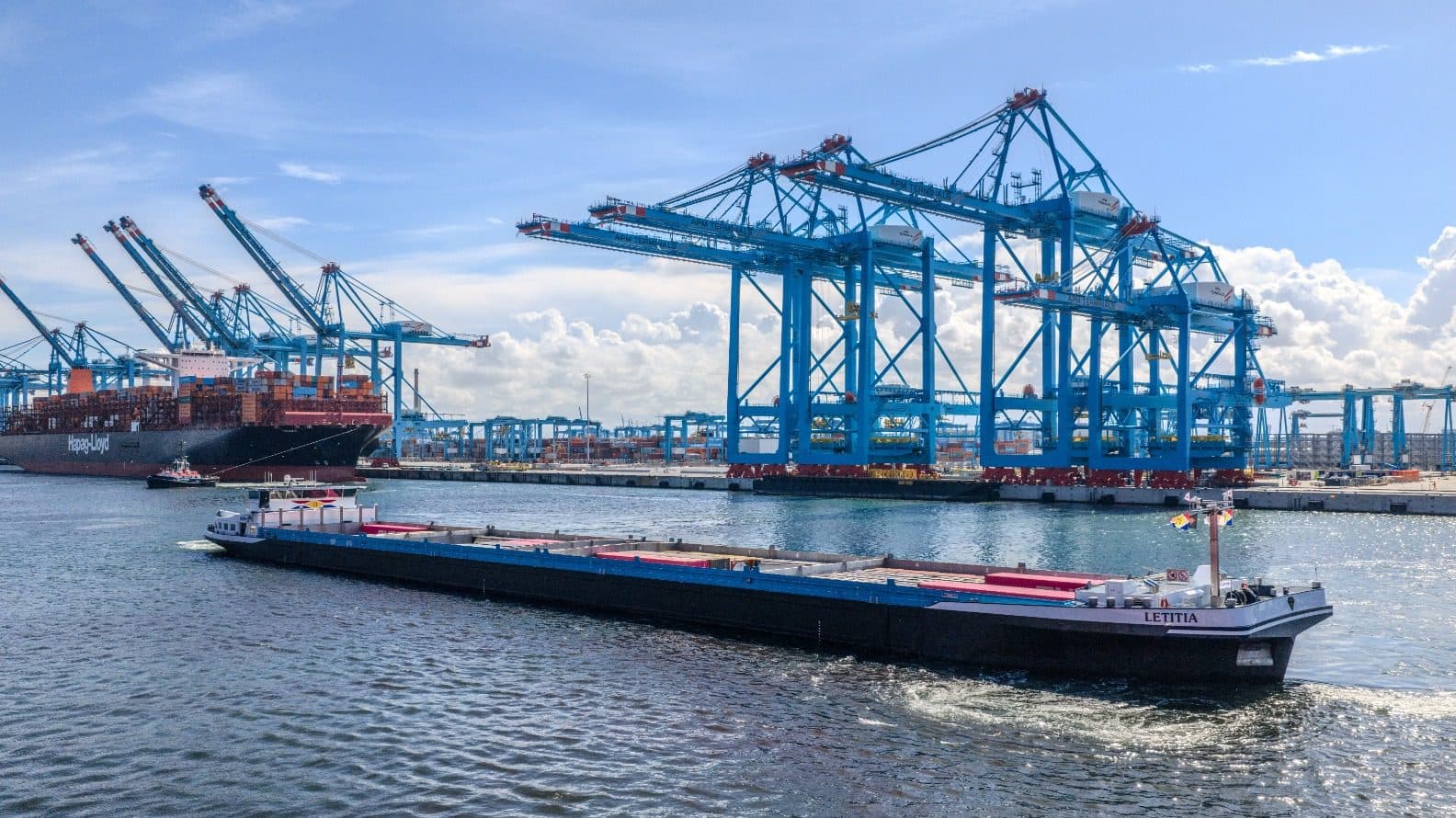
HTS Group's vessel, the MS Letitia, recently completed a fully autonomous voyage within the Port of Rotterdam. The journey commenced at Amaliahaven on Maasvlakte, proceeded through Europoort and the Nieuwe Waterweg, and concluded at Waalhaven. This successful navigation without human intervention marks a significant milestone in the development of autonomous shipping technologies.
This event underscores the ongoing efforts within the maritime industry to integrate advanced automation and artificial intelligence into vessel operations. Such technologies aim to enhance safety, improve operational efficiency, and potentially reduce labor costs in the long term.
For freight forwarders and operations managers, the successful implementation of autonomous vessel technology in a major port like Rotterdam suggests potential future shifts in port logistics and vessel handling. While widespread adoption is still some time away, it could eventually lead to more predictable vessel movements, optimized port calls, and potentially reduced turnaround times. Forwarders should monitor these developments for their long-term impact on supply chain planning and operational strategies, particularly concerning vessel scheduling and port interface.
Future developments will likely focus on scaling this technology, integrating it with existing port infrastructure, and addressing regulatory frameworks for autonomous maritime operations.