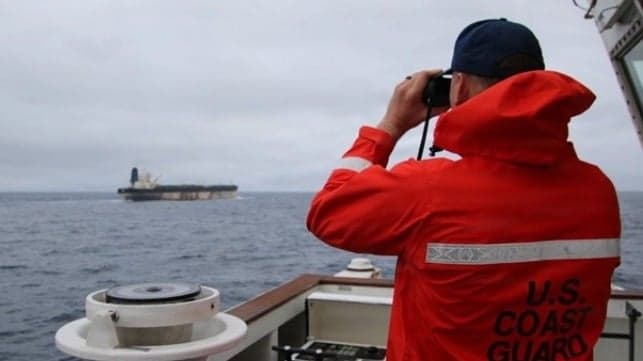
The master of a tanker identified as part of the 'shadow fleet' has entered a guilty plea to federal charges related to his failure to obey orders issued by the U.S. Coast Guard. This legal action underscores the United States' commitment to upholding maritime law and its efforts to monitor and regulate vessels that operate under opaque ownership structures, often linked to sanctioned trade.
For freight forwarders and operations managers, this event signals increased scrutiny on vessels operating outside mainstream regulatory frameworks. Shippers utilizing non-traditional carriers, particularly those involved in oil and commodity transport, face heightened risks of delays, detentions, or legal complications if their chosen vessels are found in violation of international or national maritime laws. It reinforces the importance of thorough due diligence on vessel ownership, flag state, and operational history to mitigate supply chain disruptions and ensure compliance.