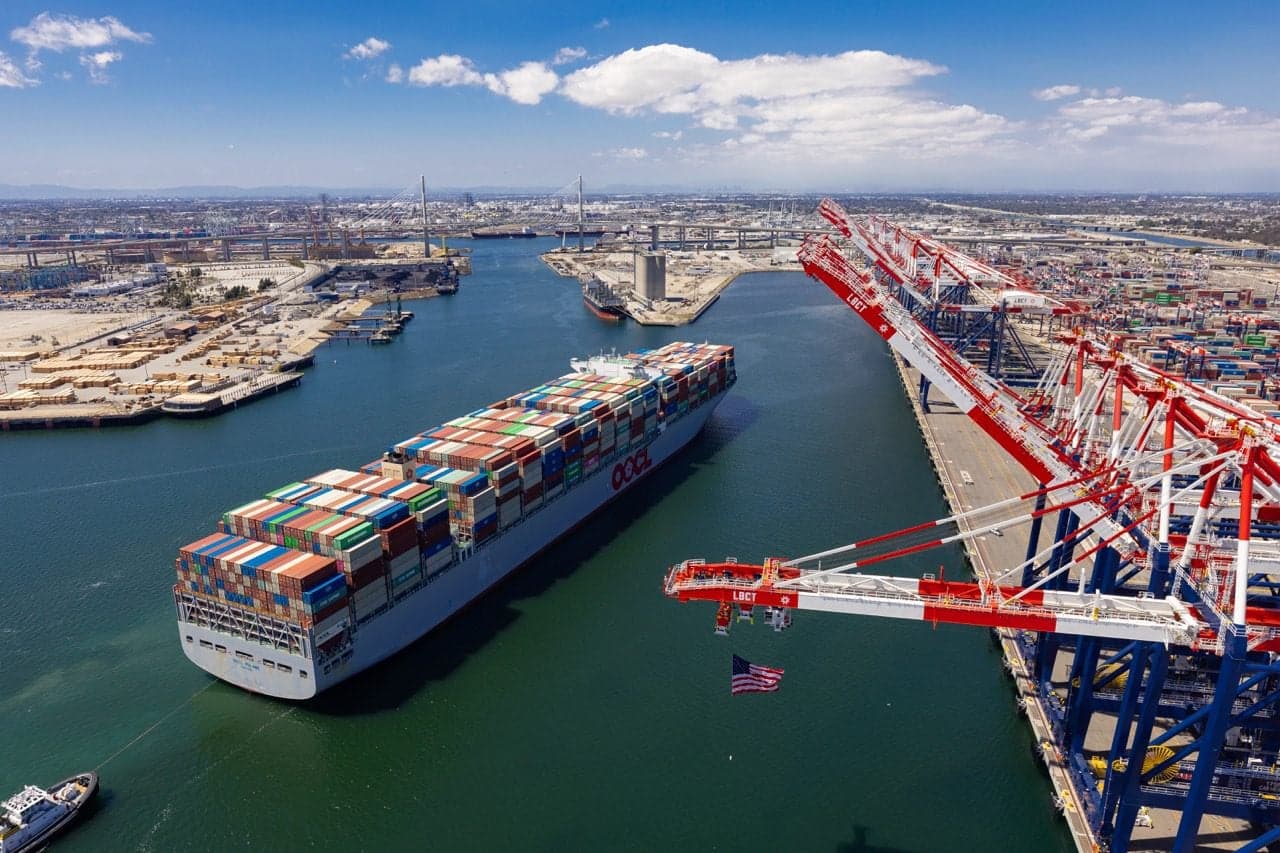
The Port of Long Beach reported its third-busiest May in history, processing 842,030 twenty-foot equivalent units (TEUs). This robust performance signifies a strong rebound, particularly following earlier disruptions caused by tariffs. The port observed a notable 40% increase in imports compared to the previous year.
For freight forwarders and logistics professionals, this surge in import volumes at Long Beach suggests heightened demand and potentially increased pressure on port operations and inland transportation networks. Forwarders should anticipate potential impacts on vessel turnaround times, chassis availability, and drayage capacity. The strong import growth also indicates a healthy consumer market, which could sustain elevated shipping volumes in the near term. Managing cargo flows efficiently through this busy gateway will be crucial for maintaining supply chain fluidity.