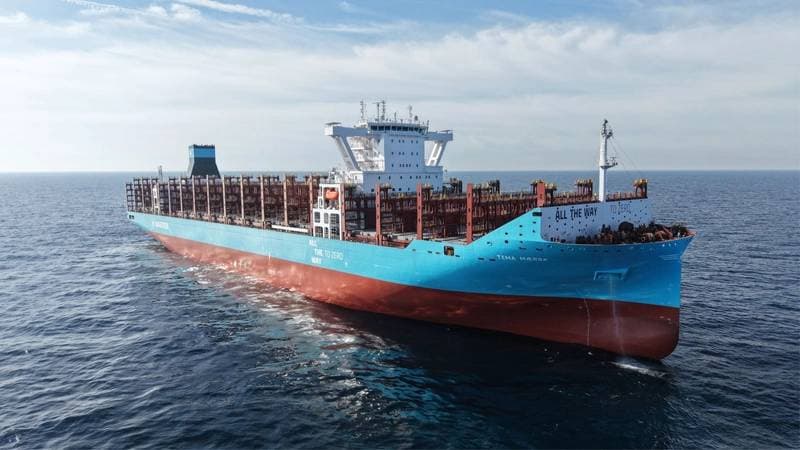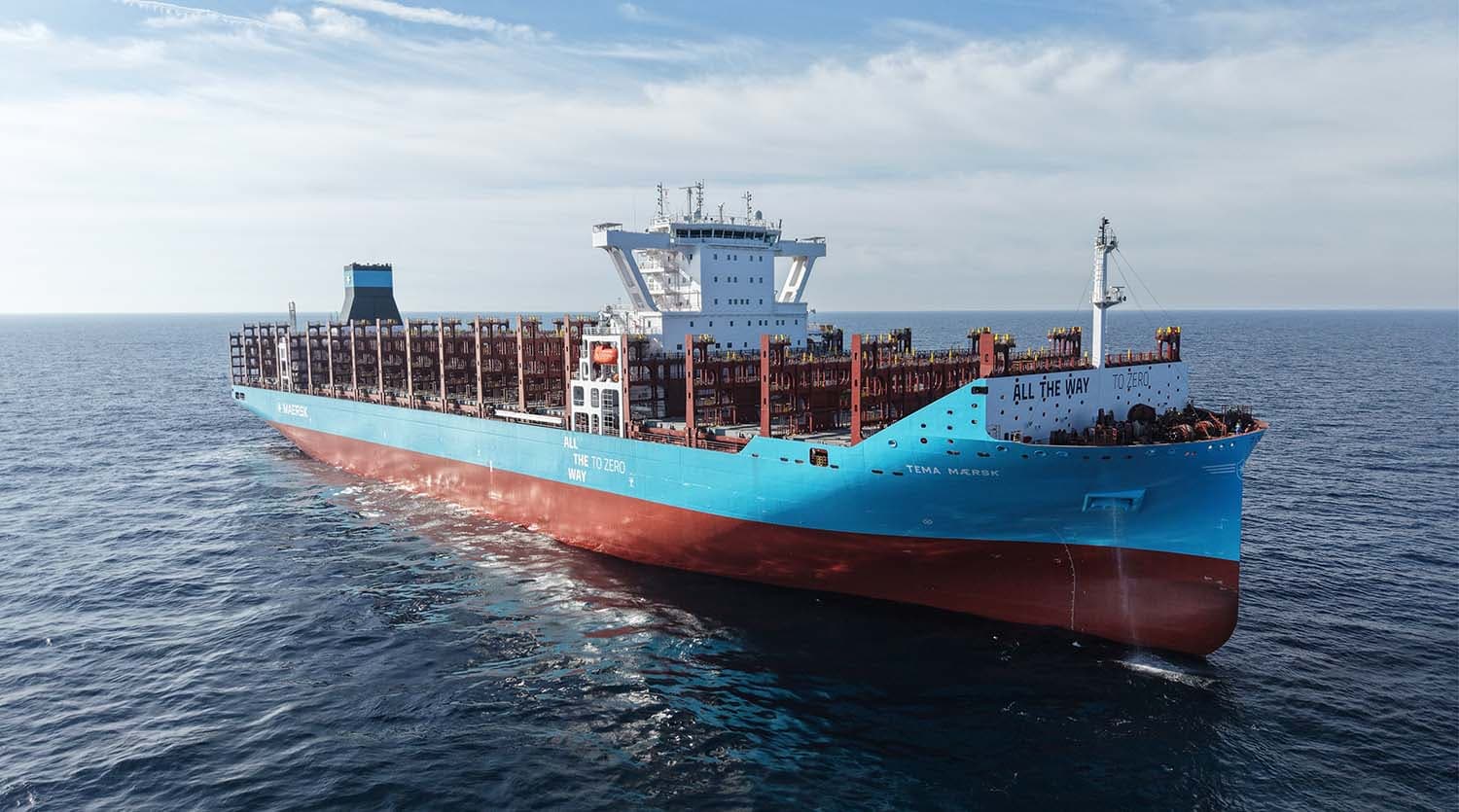
The worldwide fleet of commercial cargo vessels equipped with wind propulsion systems has officially reached more than 100 ships. These vessels collectively account for over five million deadweight tons (DWT), signifying a notable expansion in the adoption of wind-assisted shipping technologies across the maritime sector. This development underscores the industry's increasing focus on integrating sustainable practices to reduce fuel consumption and emissions.
For freight forwarders and operations managers, the expansion of wind-assisted fleets could gradually contribute to more environmentally friendly shipping options. While the immediate impact on rates or capacity might be limited, a larger fleet of such vessels could eventually offer greener routes and potentially lower fuel surcharges as the technology matures and becomes more widespread. This trend aligns with broader industry pressure for decarbonization and could influence future carrier selections based on sustainability metrics.