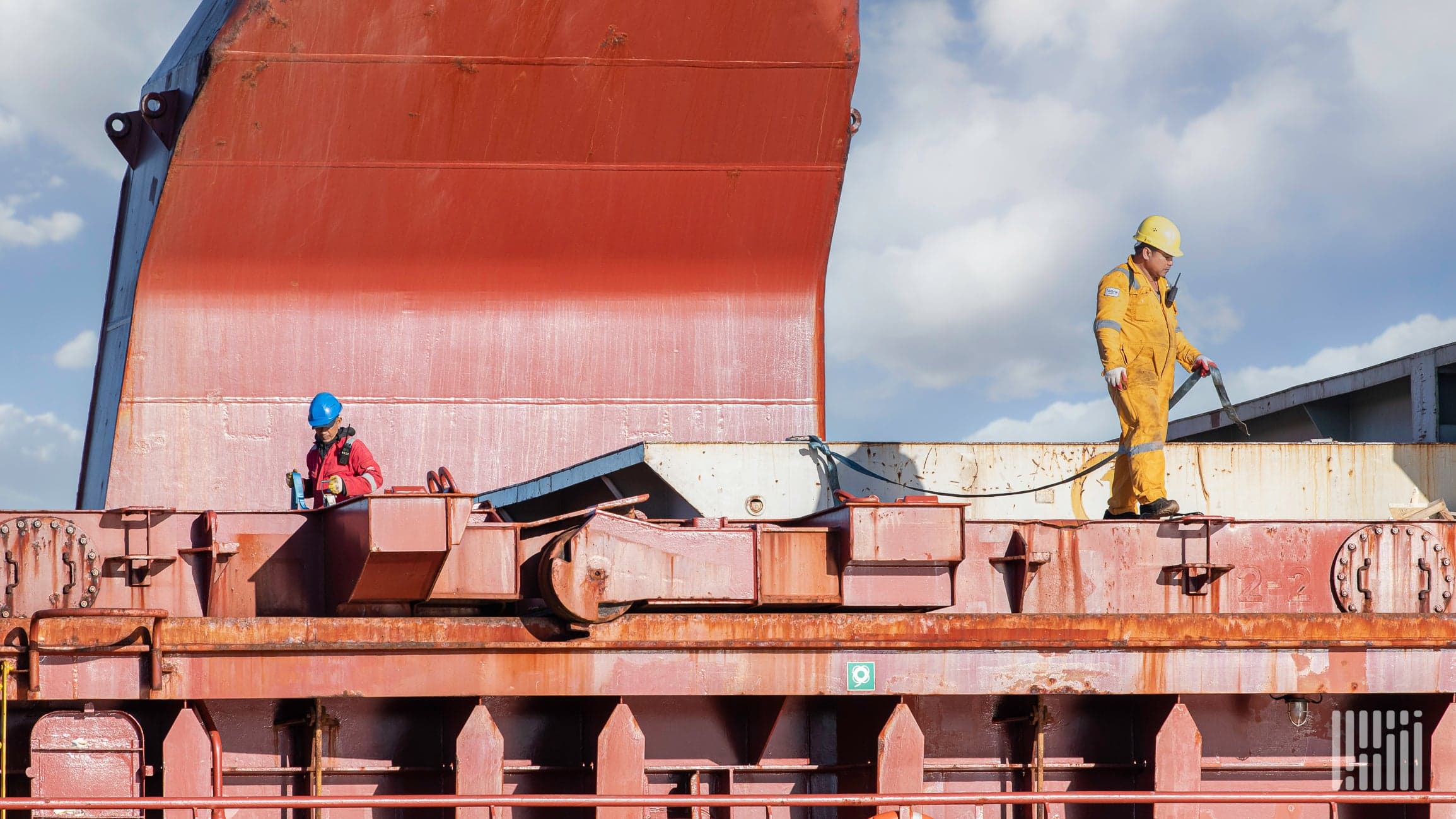
The international shipping industry is confronting a severe challenge in maintaining its workforce, which currently comprises approximately 2 million seafarers globally. This mirrors similar talent acquisition and retention difficulties observed in the trucking and rail sectors. A primary concern is the aging demographic of the existing maritime workforce, coupled with insufficient numbers of new recruits entering the field.
For freight forwarders and their clients, this trend could lead to several operational impacts. A shrinking pool of qualified seafarers may result in crew shortages, potentially causing delays in vessel departures or extended port stays. This could further exacerbate existing issues with schedule reliability and overall transit times. Additionally, increased competition for skilled labour could drive up crewing costs, which might eventually translate into higher freight rates. Forwarders should monitor these developments closely as they could influence capacity availability and operational efficiency across key trade lanes.
While the article does not specify immediate solutions, the ongoing nature of this challenge suggests that the industry will need to invest significantly in training, recruitment, and improving working conditions to attract and retain talent in the coming years.