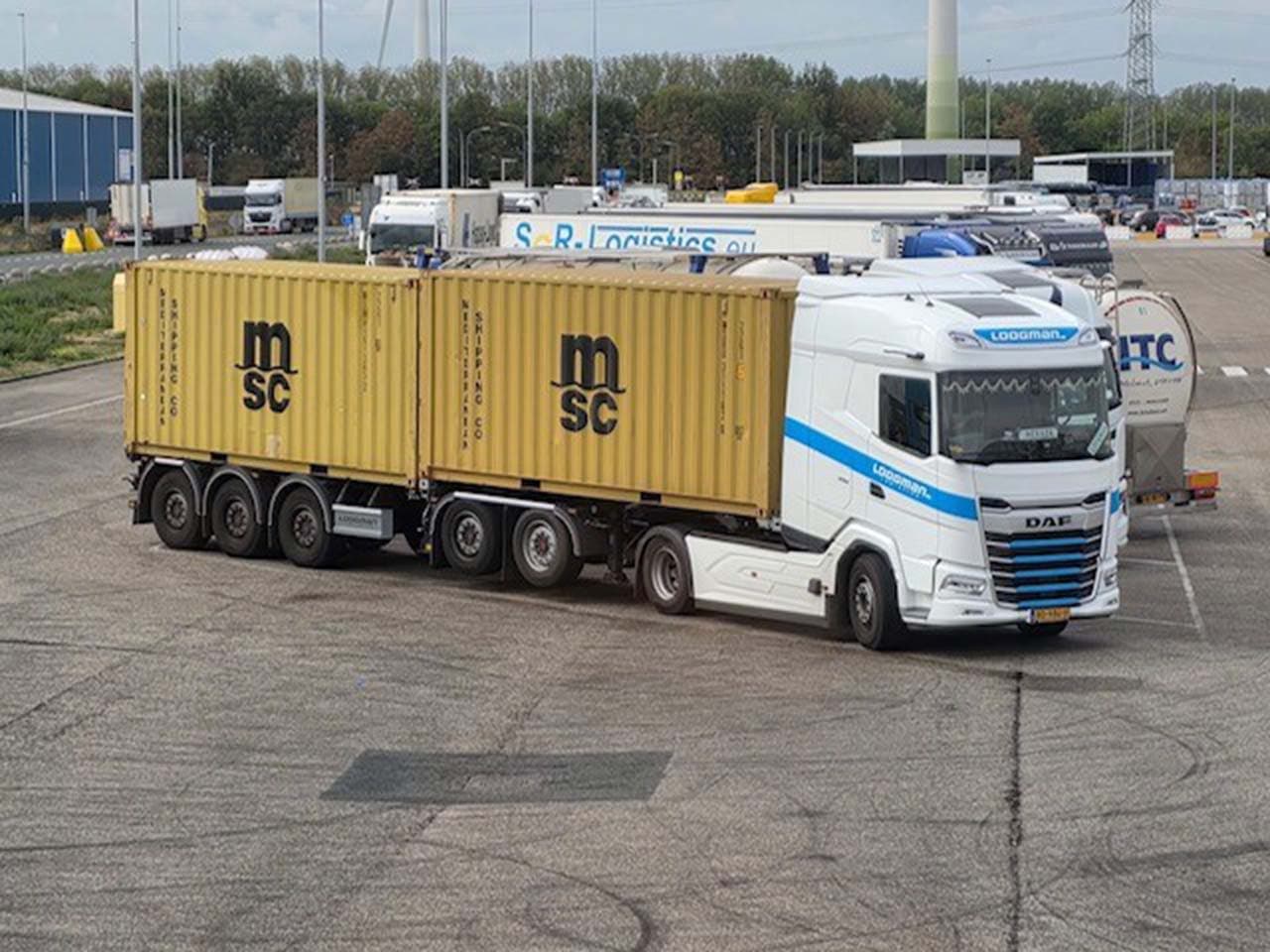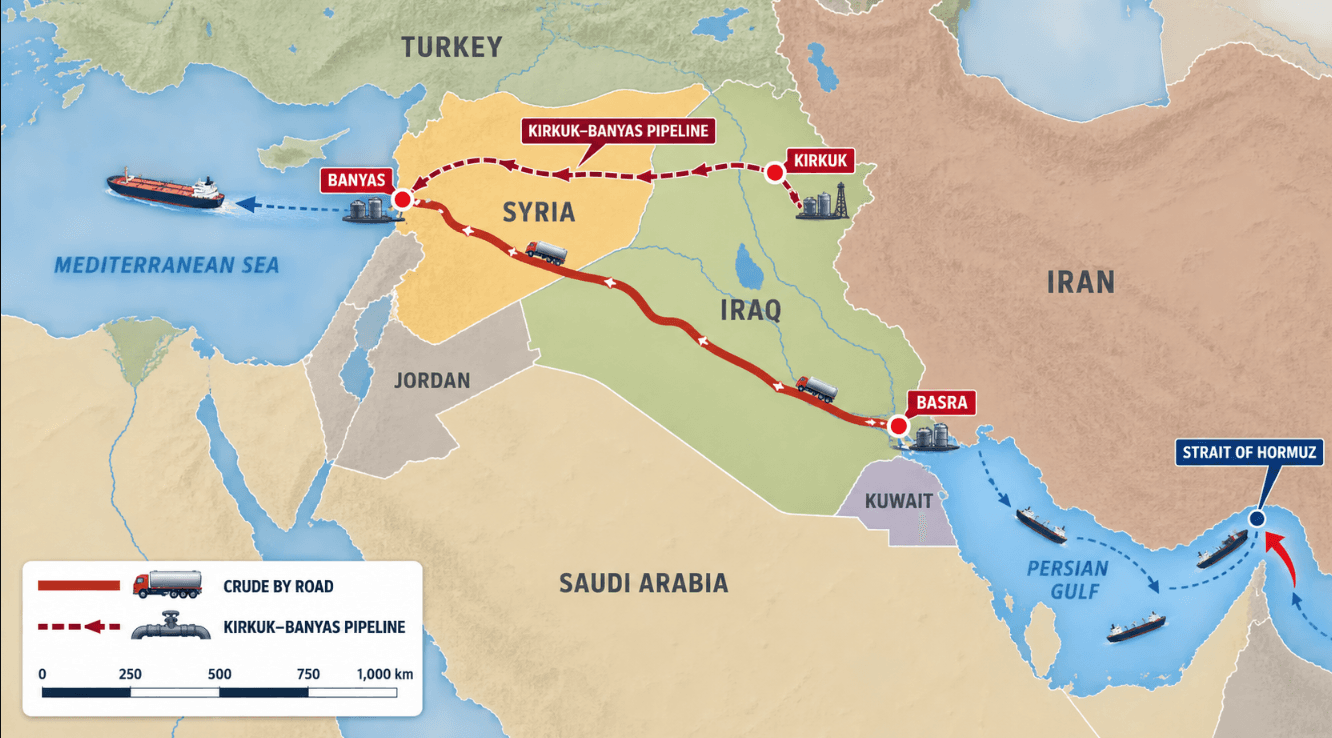
Iraq has commenced a significant overland oil export operation, dispatching approximately 1,000 crude oil trucks daily through Syrian territory to the port of Banyas. This strategic move is intended to provide an alternative export pathway, reducing reliance on the Strait of Hormuz, a critical but geopolitically sensitive maritime choke point.
The decision to use this road route highlights a broader effort by oil traders to diversify their logistics and mitigate risks associated with traditional shipping lanes. For Syria, this development could signify a resurgence as a regional transit hub, offering economic opportunities after years of conflict and isolation. However, the rapid expansion of this oil logistics corridor faces considerable hurdles, including the need to upgrade aging infrastructure, address limited port handling capacity at Banyas, and navigate ongoing security challenges within Syria.
For freight forwarders and logistics professionals, this development signals a potential shift in regional trade dynamics. While direct involvement in oil trucking might be specialized, the increased road traffic and potential infrastructure investments could impact general cargo movements and cross-border transit times in the Levant region. Forwarders should monitor the stability and efficiency of this route, especially concerning security and any future upgrades to road networks or port facilities, as it could influence broader supply chain strategies for goods moving through or around the Middle East.