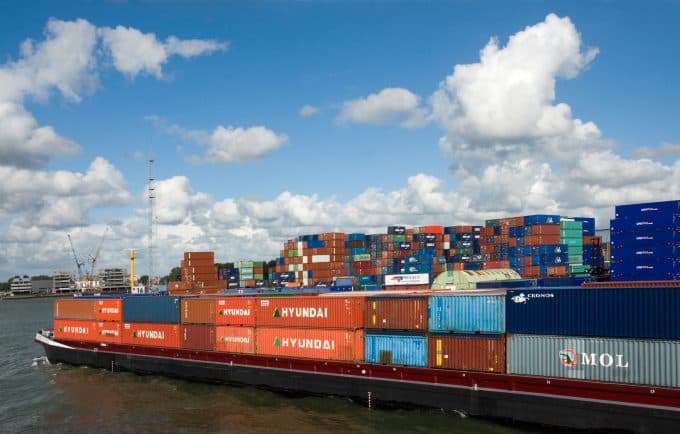
European inland waterway transport is currently facing significant operational challenges primarily due to persistent congestion at container terminals. This issue is compounded by the fact that barges are often afforded a lower priority compared to other transport modes, leading to extended waiting times and operational inefficiencies. While there are looming concerns about potential low water levels on key European waterways, the immediate and more impactful problem for freight movement is the bottleneck at ports.
For freight forwarders and operations managers, this situation translates into unpredictable transit times and increased costs for cargo relying on barge connections. The delays at terminals can disrupt finely tuned supply chains, requiring adjustments to inventory management and potentially leading to higher demurrage and detention charges. Forwarders should factor in these potential delays when planning multimodal shipments involving European inland waterways and consider alternative routing or buffer times.