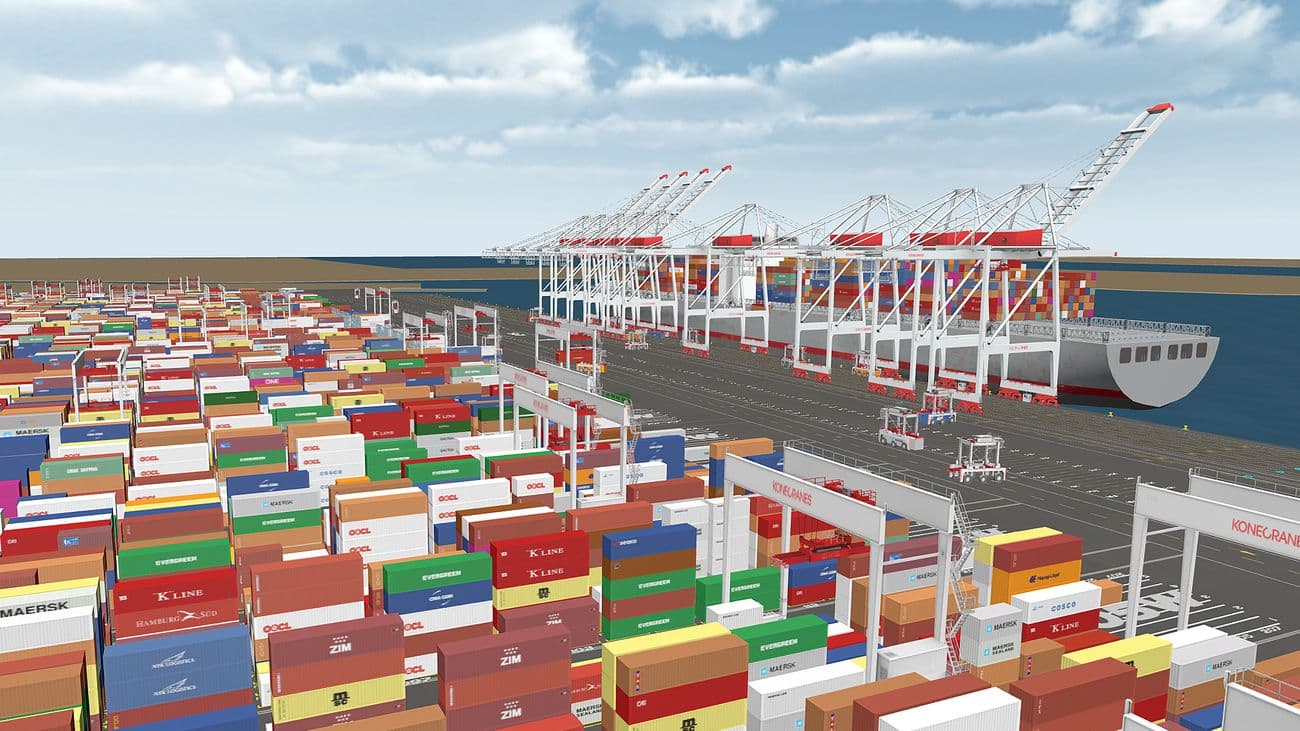
Dr. Csaba Boer, in an interview, detailed the strategic progression for port terminals to maximize their investments in new equipment, software, and automation systems. He outlined a three-stage approach: starting with simulation, advancing to emulation, and finally implementing digital twin technology. This methodology allows terminals to thoroughly test and refine operational processes and infrastructure changes in a virtual environment before physical deployment.
For freight forwarders and operations managers, this technological advancement in terminals means potentially improved schedule reliability and faster vessel turnarounds. By optimizing terminal operations through digital twins, ports can reduce congestion, minimize delays, and enhance overall efficiency, leading to more predictable transit times for ocean freight. This can translate into better planning and reduced demurrage or detention costs for shippers.
The adoption of these technologies is expected to lead to more resilient and responsive port operations, better equipped to handle fluctuations in cargo volumes and unforeseen disruptions. Terminals can use digital twins to model various scenarios, such as peak season surges or equipment failures, and develop proactive solutions, ultimately benefiting the entire supply chain.