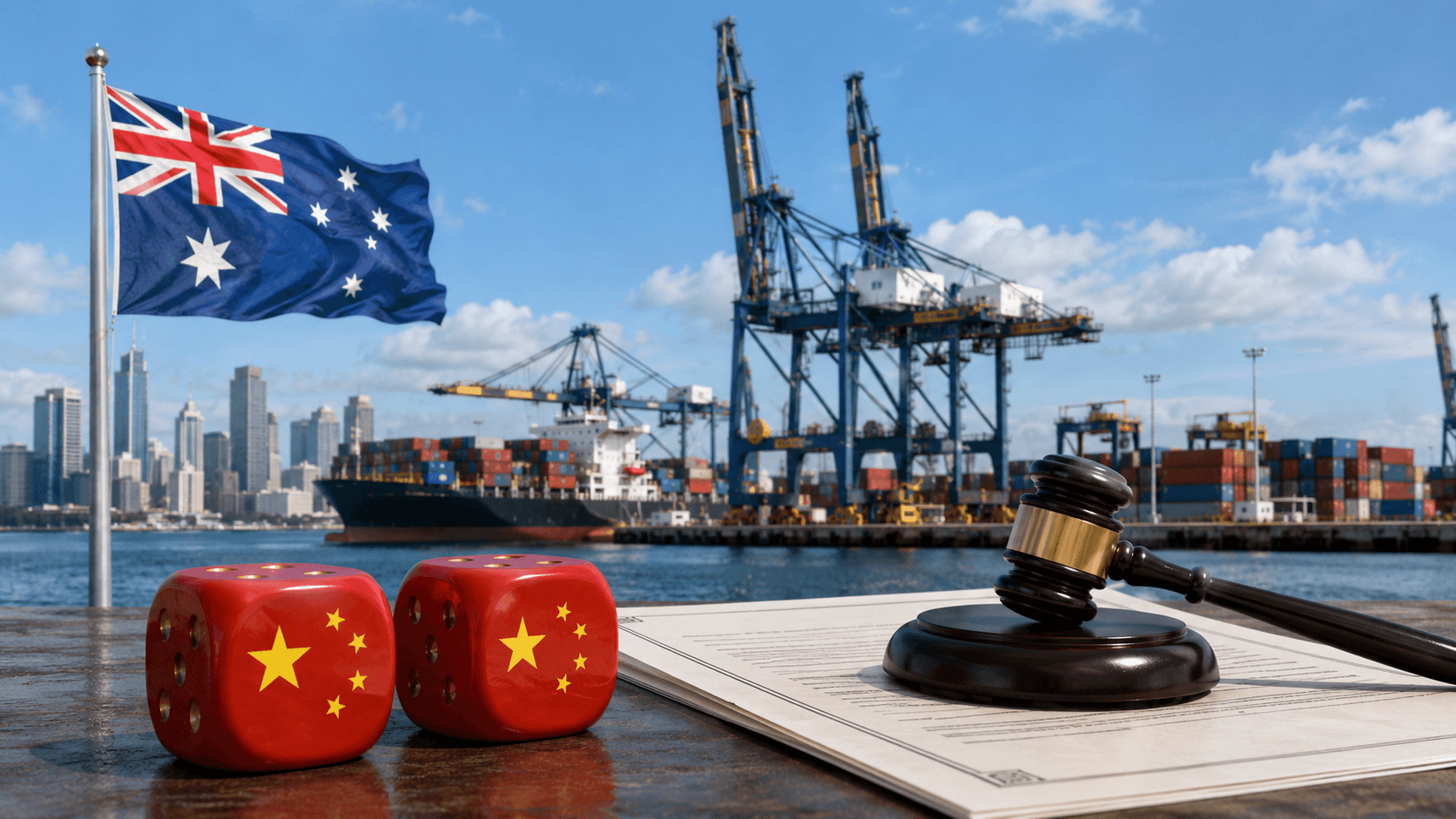
A Chinese conglomerate has begun arbitration proceedings concerning the Australian government's mandated sale of its lease for the Port of Darwin. This legal challenge is not merely an effort to safeguard a specific investment but is viewed as an extension of the company's global strategic objectives.
The background to this situation involves the Australian government's decision to compel the Chinese company to relinquish its 99-year lease on the port, citing national security concerns. The initial lease agreement, signed in 2015, had granted the conglomerate significant operational control over a key northern Australian port, which is also strategically important for military logistics.
For freight forwarders and supply chain analysts, this development underscores the increasing geopolitical risks associated with port infrastructure. Such disputes can introduce uncertainty regarding long-term port stability, potential changes in operational management, and future investment in port capacity. While immediate operational impacts on cargo flow through Darwin may be limited, the broader implications for foreign investment in critical infrastructure could influence future port development and ownership models globally. This situation also highlights the need for forwarders to monitor geopolitical developments that could affect port access and supply chain resilience.
The outcome of this arbitration could set a precedent for how governments manage foreign ownership of strategic assets, potentially influencing future investment decisions in port infrastructure worldwide.