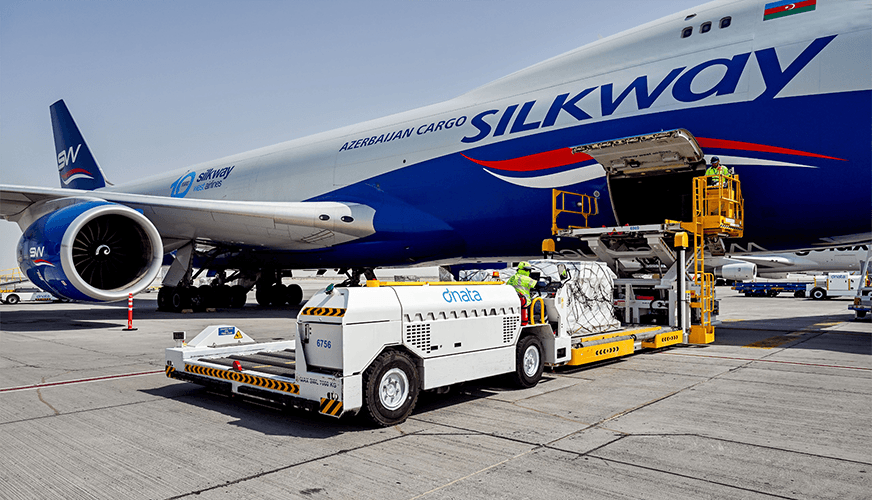
Central Asia is experiencing a significant shift in its role within the global air cargo landscape, evolving into a crucial logistics corridor. This transformation is occurring more rapidly than many industry observers anticipated. Historically characterized by its landlocked nature and reliance on surface transport, the region is now leveraging its strategic location at the intersection of Asia and Europe to develop new air cargo routes.
For freight forwarders and supply chain professionals, this development presents new opportunities and considerations. The emergence of Central Asia as an air cargo hub offers alternative routing options, potentially reducing transit times for certain trade lanes. This diversification of routes could also impact air freight capacity and rates, especially for shipments moving between East and West. Forwarders should monitor the development of these new routes and associated infrastructure to identify efficient and cost-effective solutions for their clients.
The ongoing investment in air cargo infrastructure and services across Central Asia is expected to continue, further solidifying its position as a vital link in international supply chains. This strategic pivot aims to enhance connectivity and facilitate trade flows across the Eurasian continent.