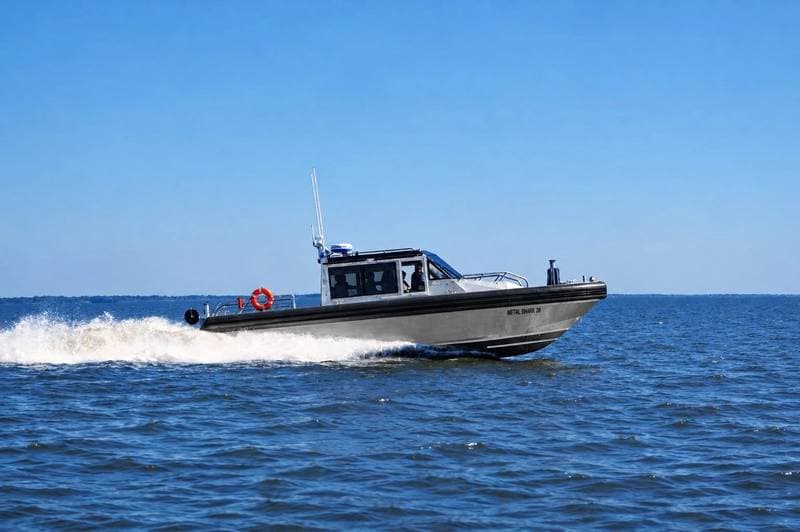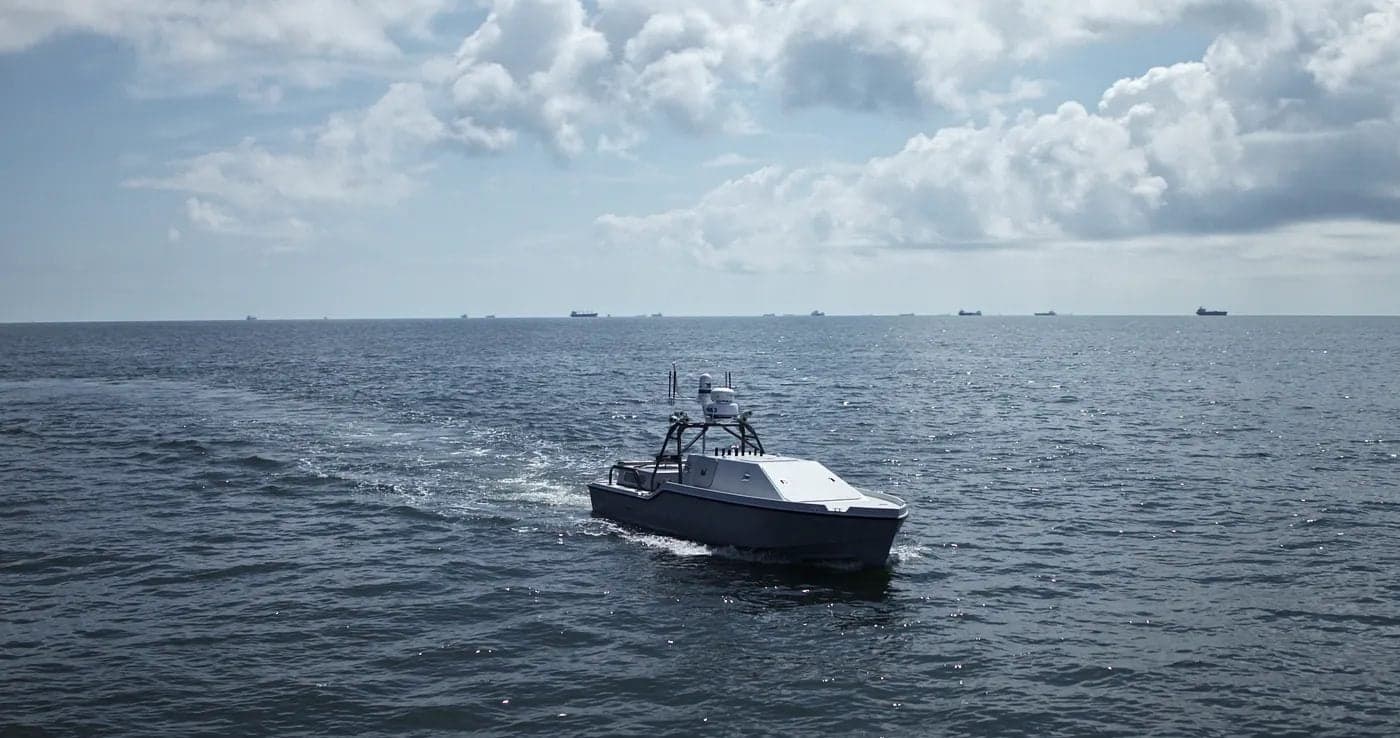
An autonomous surface vessel (ASV) manufactured by Saronic, under the operation of the U.S. Navy, played a crucial role in rescuing two U.S. Army aviators. The incident occurred after their AH-64 Apache helicopter crashed off the coast of Oman. This successful rescue operation marks a significant operational milestone for the deployment and effectiveness of uncrewed maritime systems in real-world emergency scenarios.
This event underscores the increasing integration of autonomous technologies into military and potentially commercial maritime activities. The ability of ASVs to respond rapidly and effectively in challenging environments could lead to broader applications in search and rescue, surveillance, and other maritime logistics tasks.
For freight forwarders and supply chain professionals, while this specific event is military in nature, it signals a broader trend towards automation in maritime operations. Enhanced ASV capabilities could eventually impact port security, coastal surveillance, and even support vessel operations, potentially improving efficiency and safety in certain maritime sectors. The development of reliable autonomous systems may also influence future regulations and operational standards within the shipping industry.
The successful deployment in this rescue scenario could accelerate the adoption and development of more advanced autonomous maritime technologies, potentially leading to new operational paradigms in the coming years.