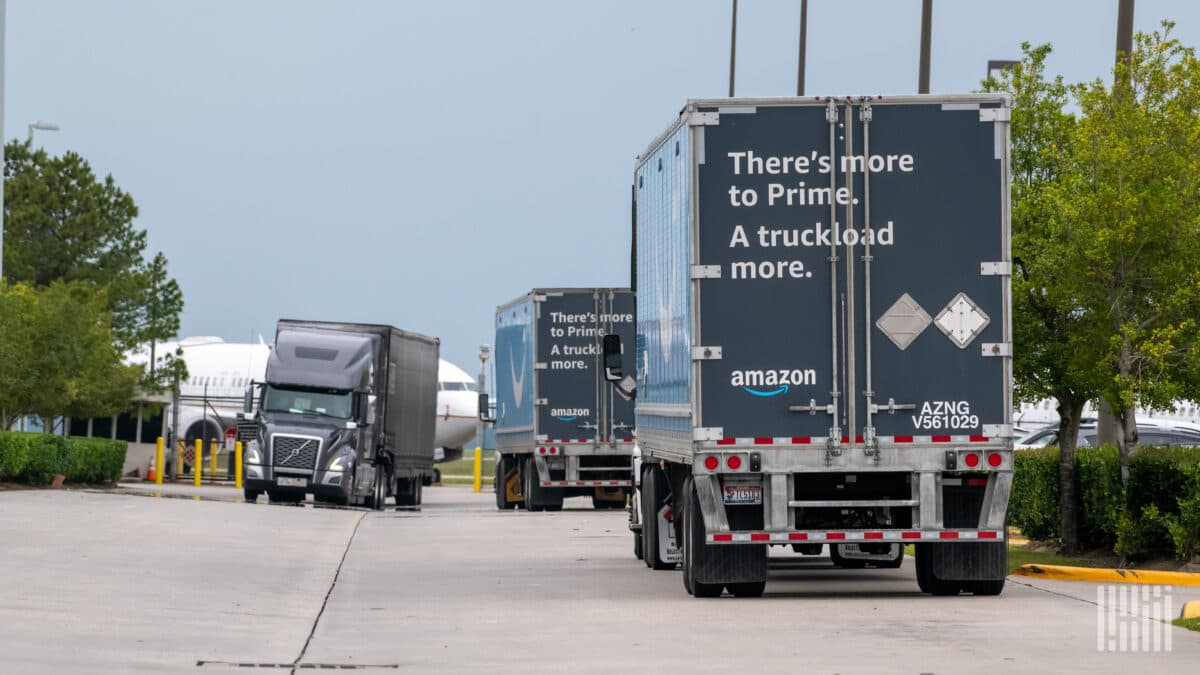
Industry analysts indicate that Amazon's less-than-truckload (LTL) operations are not expected to pose an immediate threat to the long-standing legacy LTL carriers. The e-commerce giant's approach to LTL is fundamentally different from that of traditional providers, primarily focusing on optimizing its vast internal logistics network rather than directly competing for external freight volumes in the same manner as established LTL companies.
Amazon has been steadily building out its logistics capabilities, including middle-mile and last-mile delivery, to enhance efficiency and reduce reliance on third-party carriers. Its LTL segment is largely integrated into this internal ecosystem, designed to support its own fulfillment and delivery needs. This contrasts with the century-old business models of legacy LTL carriers, which operate extensive hub-and-spoke networks catering to a wide array of external shippers.
For freight forwarders and supply chain managers, this analysis suggests that current LTL capacity and pricing structures are unlikely to be immediately impacted by Amazon's activities. However, it is prudent to observe Amazon's evolving logistics strategy. Should Amazon eventually decide to significantly expand its LTL services to third-party shippers, it could introduce new dynamics to the market, potentially affecting rates, service offerings, and competitive landscapes. For now, the focus remains on its internal network optimization.