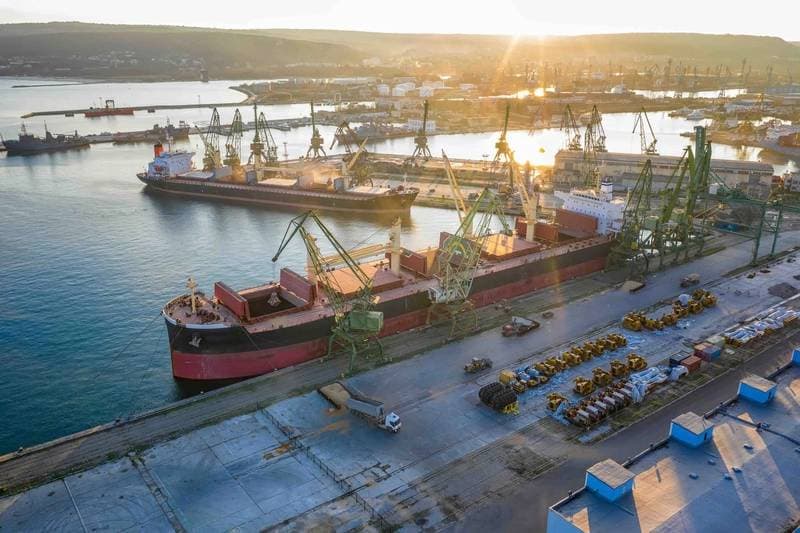
The United States maritime industry is observing its 250th anniversary, reflecting on a quarter-millennium of development and adaptation. From the nascent days of unpredictable transatlantic voyages in 1776, which often took six to eight weeks and were heavily dependent on weather and chance, the sector has evolved dramatically. Early navigation relied on basic tools like sextants and chronometers, with communication limited to visual signals or slow postal services.
Today, the maritime industry operates with advanced technology, including satellite navigation, real-time tracking, and sophisticated weather forecasting. This transformation has significantly enhanced efficiency, safety, and reliability. However, the industry continues to face modern challenges such as geopolitical shifts, environmental regulations, and the imperative for continuous technological integration.
For freight forwarders and operations managers, this historical perspective underscores the continuous need for adaptability. The industry's evolution highlights how disruptions, from historical weather dependency to contemporary supply chain shocks, necessitate robust planning and diversified strategies. Understanding the long-term trends in maritime development can inform decisions regarding vessel types, routing, and investment in digital tools for improved visibility and operational resilience. The ongoing focus on sustainability and digitalization also means forwarders must stay abreast of new compliance requirements and technological advancements to remain competitive.
Looking ahead, the US maritime industry is poised to continue its transformation, driven by innovations in vessel design, propulsion systems, and port infrastructure. The emphasis will likely remain on enhancing efficiency, reducing environmental impact, and bolstering supply chain security.