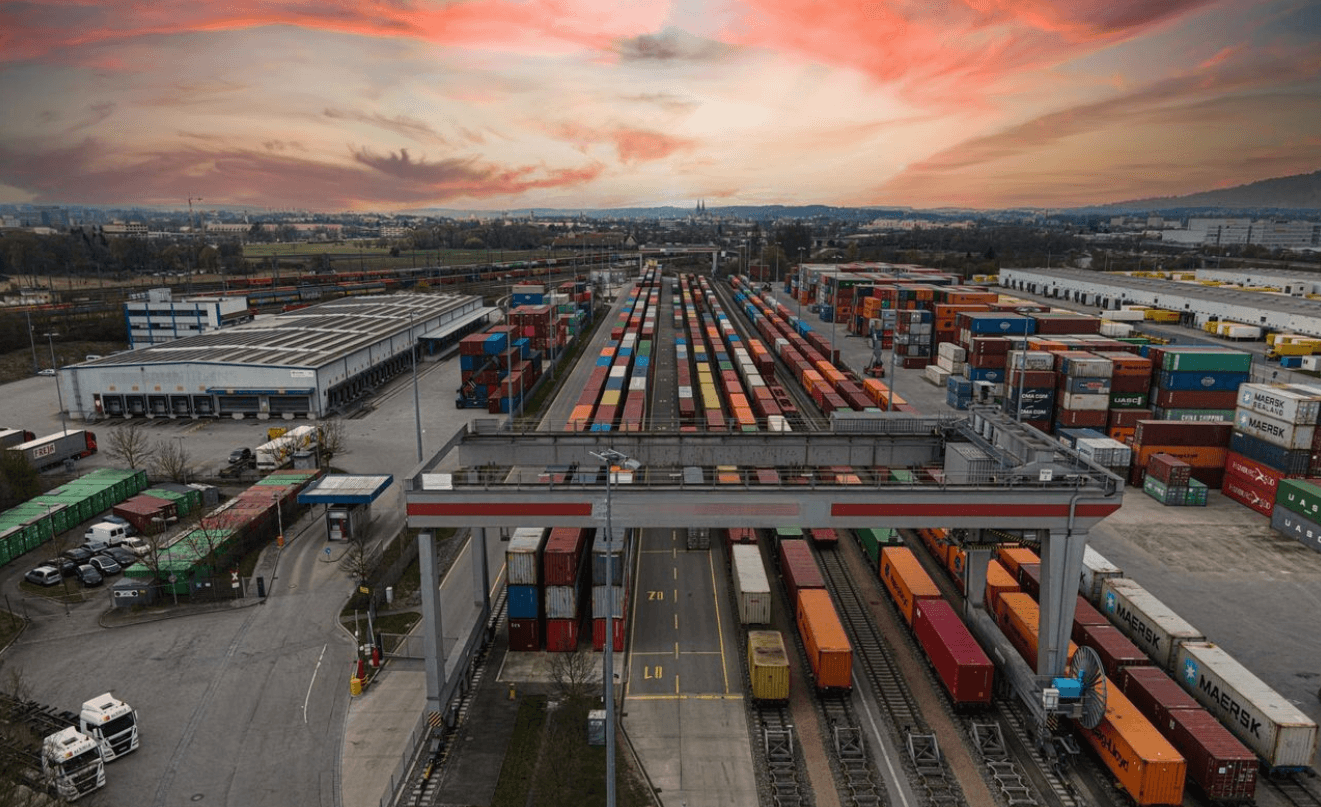
The UK logistics industry is facing a projected £10 billion shortfall in funding required to meet its net-zero emissions targets. This deficit is largely driven by increasing electricity grid costs and a heavy reliance on imported low-carbon fuels, which are both expensive and scarce. Ports, airports, and rail terminals are particularly affected, as they must absorb these rising energy expenditures while competing for limited supplies of sustainable feedstocks.
Logistics UK has issued a warning that without a cohesive, integrated system for planning and investment, the country risks failing to meet its carbon reduction commitments. Furthermore, this lack of strategic foresight could lead to the forfeiture of a multi-billion-pound economic opportunity associated with the transition to a greener logistics infrastructure.
For freight forwarders and operations managers, this situation implies potential increases in operational costs as logistics providers pass on higher energy and fuel expenses. The scarcity of low-carbon fuels could also impact routing decisions and lead to delays or higher premiums for greener transport options. Forwarders should anticipate continued pressure on supply chains to decarbonize, alongside the potential for new regulations or incentives aimed at accelerating the transition, which may also carry compliance costs.