ZIM, the Israeli container shipping line, recorded a net loss in the first quarter of the year. This financial downturn was primarily driven by several market factors, including a significant decrease in global freight rates, a general softening of demand for containerized cargo, and a notable rise in operational expenditures.
The increase in operational costs was particularly influenced by higher bunker fuel prices. These elevated fuel costs are partly a consequence of the ongoing geopolitical tensions and disruptions in the Middle East, specifically affecting transit through the Red Sea and Suez Canal, which necessitate longer routing and higher fuel consumption.
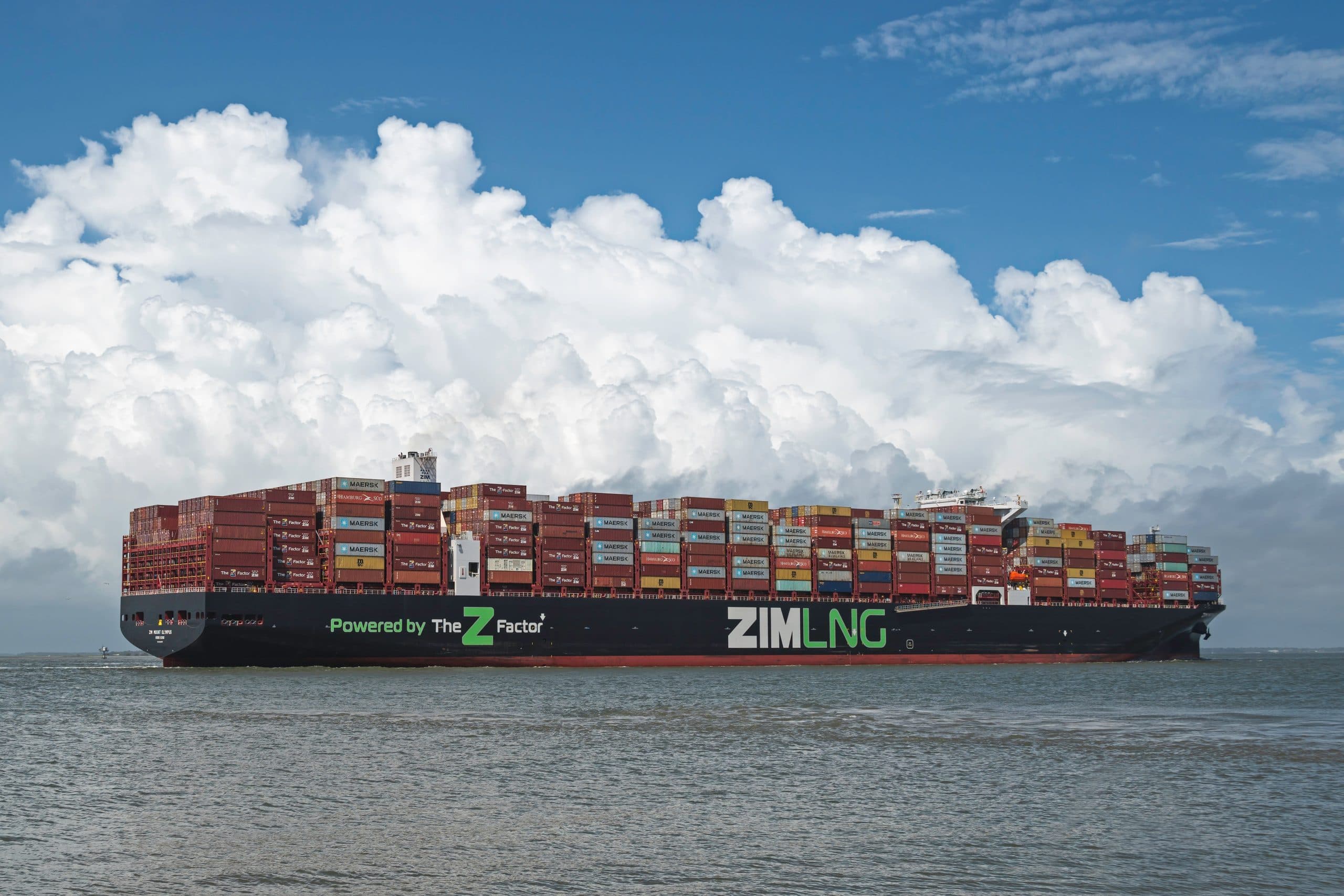
For freight forwarders and shippers, ZIM's financial performance underscores the continued volatility in the container shipping market. While lower freight rates might offer some relief, the underlying cost pressures, especially from fuel, suggest that rate stability remains elusive. The carrier's strategic shift towards LNG-powered vessels aims to provide a more stable and potentially lower-cost fuel option in the long term, which could eventually translate into more predictable pricing for customers. However, in the immediate future, forwarders should anticipate ongoing rate fluctuations influenced by fuel surcharges and broader market capacity adjustments.