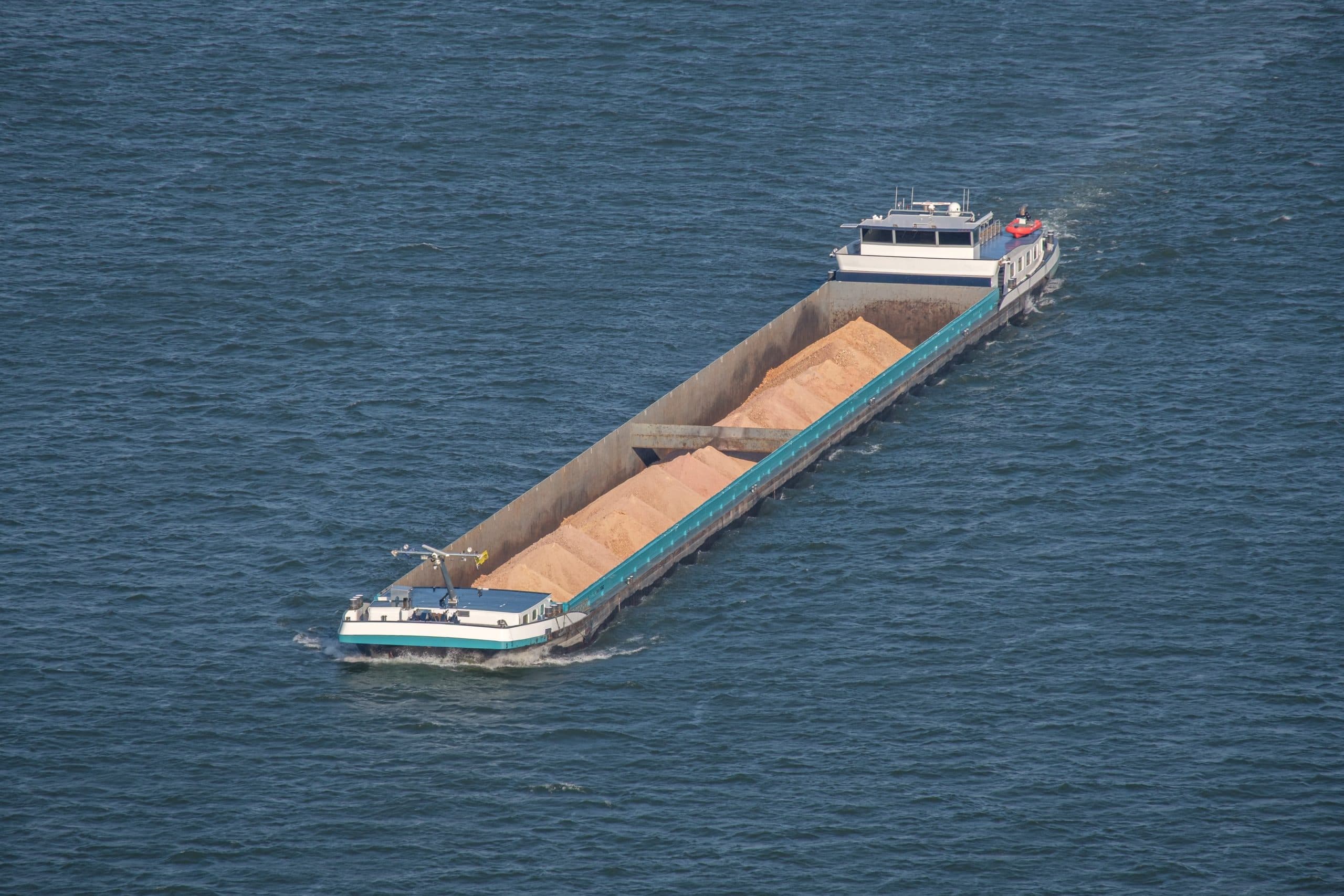
Low water levels on the Rhine River are causing a substantial increase in barge shipping expenses, prompting freight forwarders and shippers to explore other transportation methods. This situation is compounded by persistent rail network disruptions throughout Europe, which are hindering the effectiveness of rail as a viable alternative for bulk cargo. The combination of these factors is creating a difficult operational landscape for moving goods.
For freight forwarders and operations managers, this dual disruption means a critical need to reassess routing strategies and potentially face higher costs. Capacity on both inland waterways and rail is constrained, leading to potential delays and increased lead times. Shippers of bulk commodities, in particular, may experience significant challenges in maintaining supply chain fluidity and managing transportation budgets. It is crucial for logistics professionals to communicate proactively with clients about potential impacts and explore all available, albeit more expensive or less efficient, options.