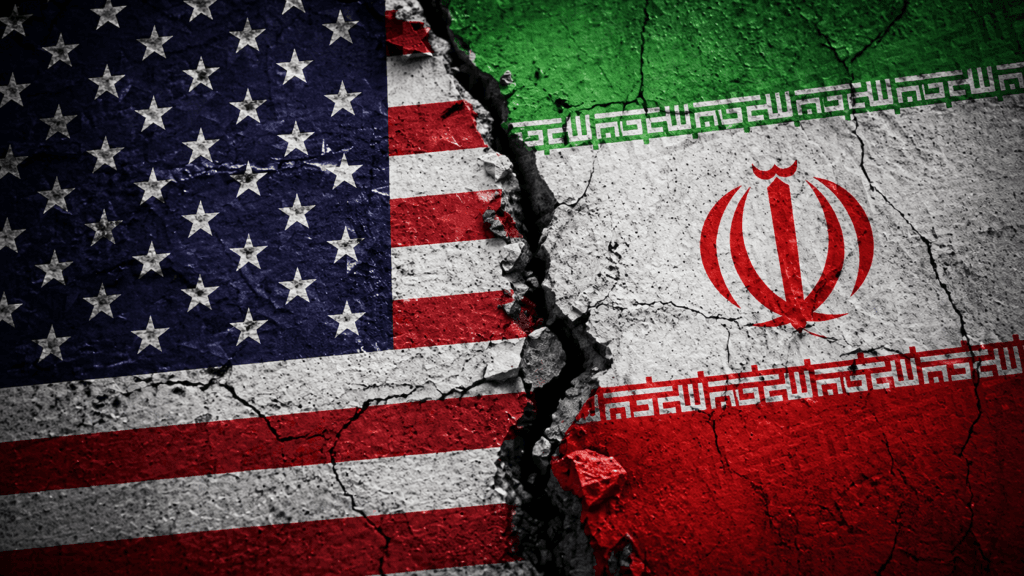
US military forces have carried out attacks on missile launch sites and vessels suspected of mine-laying activities in southern Iran. These operations, confirmed by US Central Command, targeted locations and assets allegedly involved in maritime threats. The timing of these strikes coincides with delicate diplomatic efforts to achieve a ceasefire in the broader Middle East conflict, raising concerns that the military action could jeopardize these negotiations.
This escalation follows a draft agreement between the US and Iran, which reportedly included provisions for reopening the Strait of Hormuz for unhindered maritime traffic and potential sanctions relief for Iran. The recent military engagement introduces significant uncertainty regarding the viability of such an agreement and the future stability of the region.
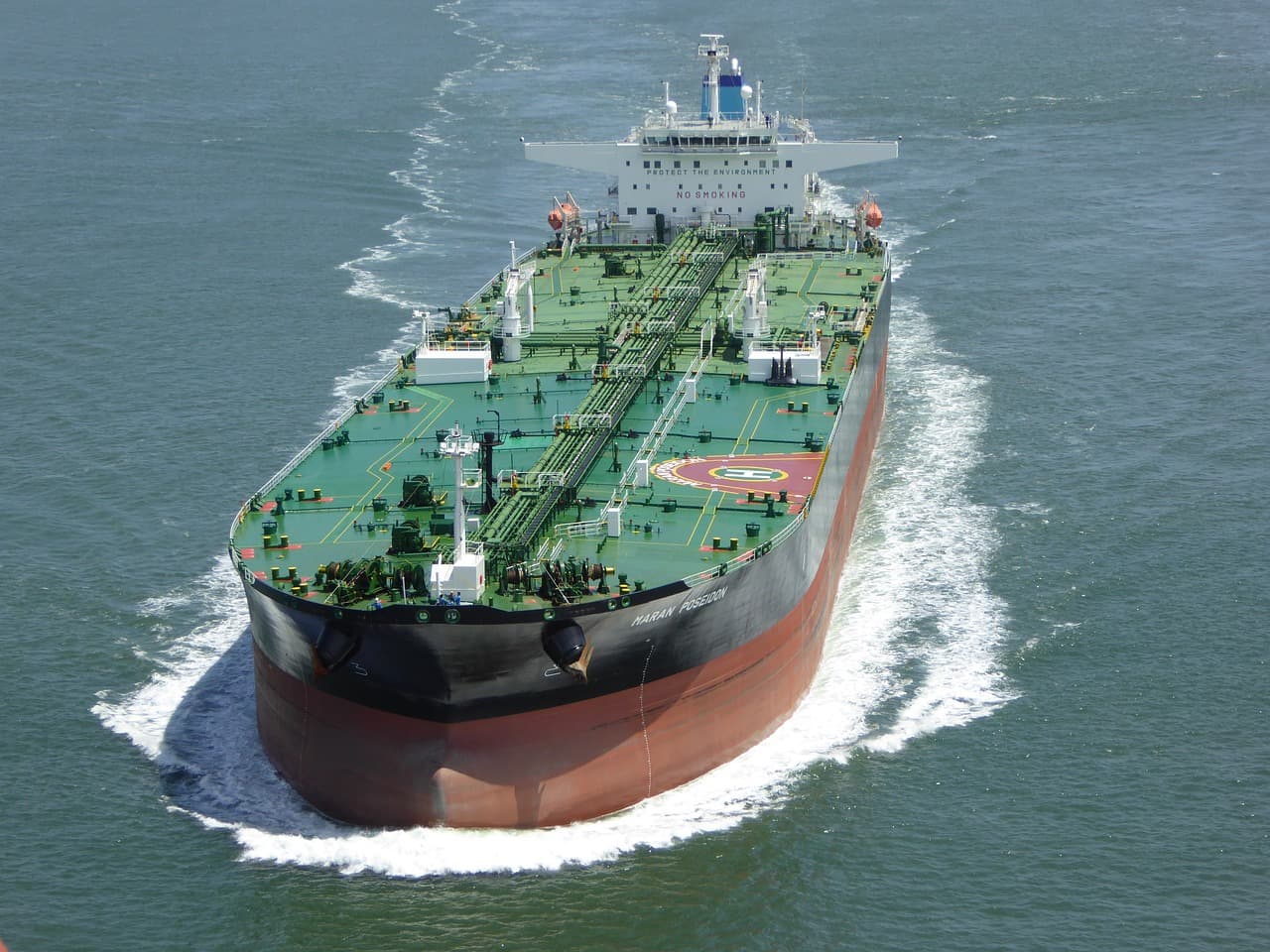
For freight forwarders and shippers, these developments are critical. Increased tensions in the Persian Gulf and the Strait of Hormuz, a vital chokepoint for global oil and container shipping, could lead to heightened war risk premiums for vessels transiting the area. This may result in rerouting decisions, delays, and increased operational costs. Forwarders should closely monitor the situation for potential impacts on vessel schedules, insurance rates, and overall supply chain stability in the region.