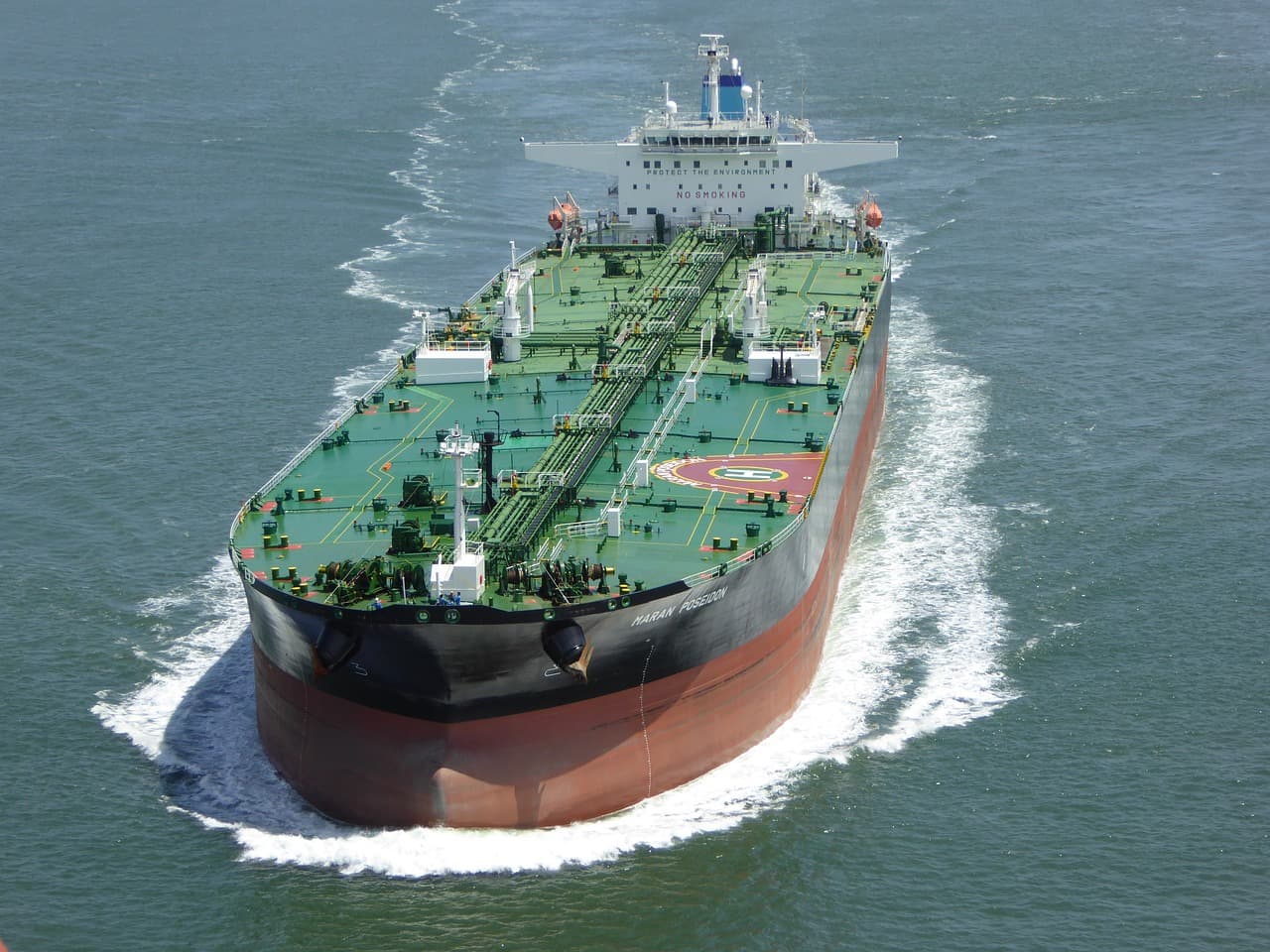
Asia's strategic pivot towards enhanced energy security is anticipated to significantly bolster demand within the tanker, LNG, and dry bulk shipping sectors. Analysis by Morgan Stanley indicates that several factors will contribute to this uplift, including the emergence of longer trade routes, a constrained supply of vessels meeting environmental compliance standards, and a general increase in investment across Asia's energy infrastructure and supply chains.
This shift implies that freight forwarders and shippers should prepare for potential changes in vessel availability and routing, particularly for energy-related commodities. The extension of trade routes could lead to longer transit times and potentially higher freight costs, as vessels spend more time at sea. The scarcity of compliant tonnage might also push up charter rates, affecting overall logistics budgets for companies involved in energy transport. Operational managers should monitor these trends closely to optimize their supply chain strategies and secure necessary shipping capacity.