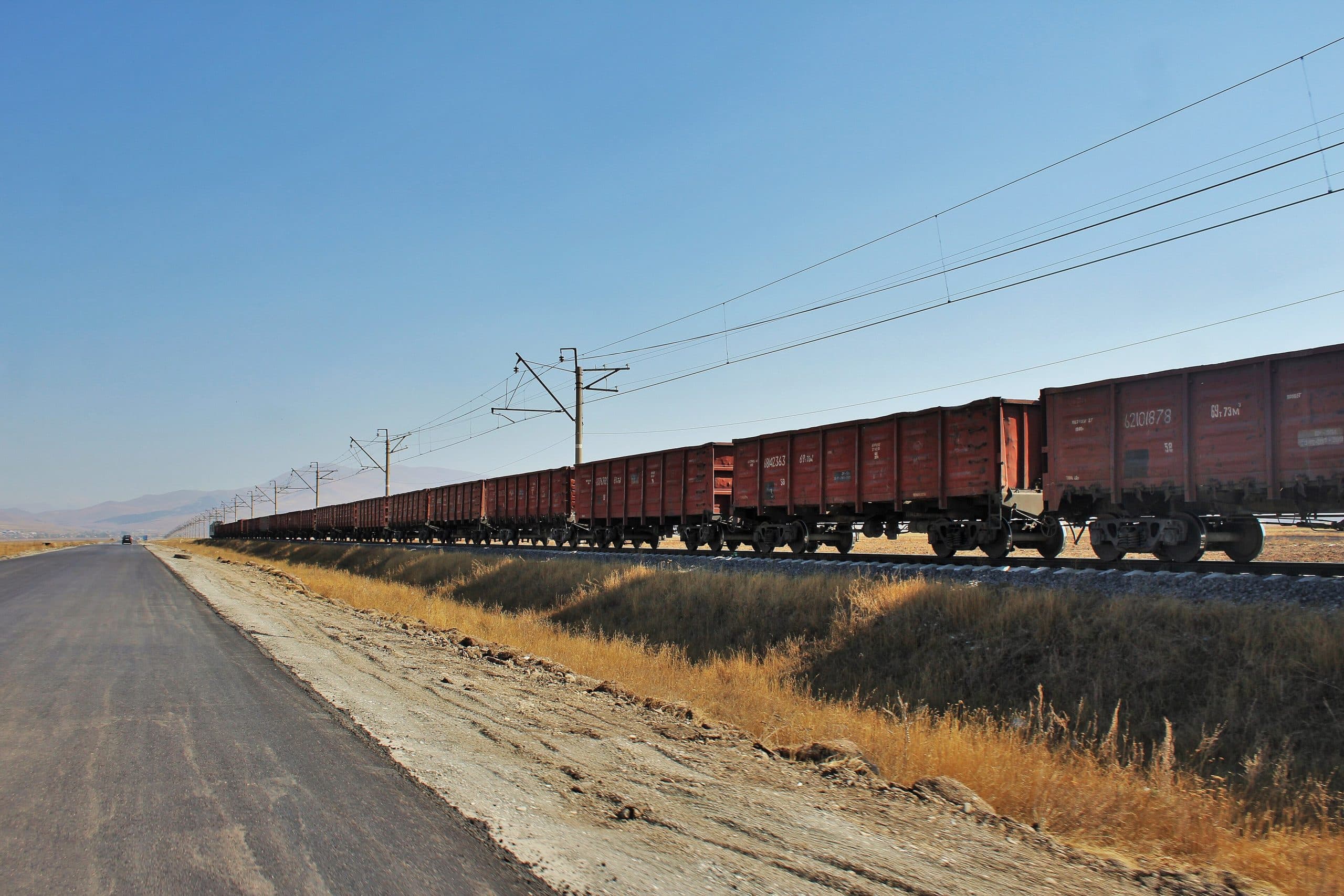
Türkiye has officially lifted its railway blockade on imports and exports to and from Armenia, establishing a direct rail freight link between Armenia and the European Union. This decision marks a significant shift in regional trade dynamics, providing Armenia with a crucial overland route for its goods.
Historically, geopolitical tensions have restricted direct trade routes between Armenia and Türkiye, forcing Armenian goods to rely on more circuitous and costly transport options. The re-establishment of this rail connection is a direct result of diplomatic efforts to normalize relations and foster economic cooperation in the South Caucasus region.
For freight forwarders and shippers, this new rail corridor presents a valuable alternative for cargo moving between Armenia and the EU. It is anticipated to reduce transit times and potentially lower logistics costs compared to existing multimodal routes. Forwarders can now explore direct rail services, improving supply chain efficiency and predictability for clients involved in Armenian trade. This development could also stimulate increased trade volumes as accessibility improves.
While the immediate impact is on Armenia's access to European markets, the long-term implications could include further integration of regional rail networks and enhanced trade flows across the wider Caucasus and Black Sea regions.