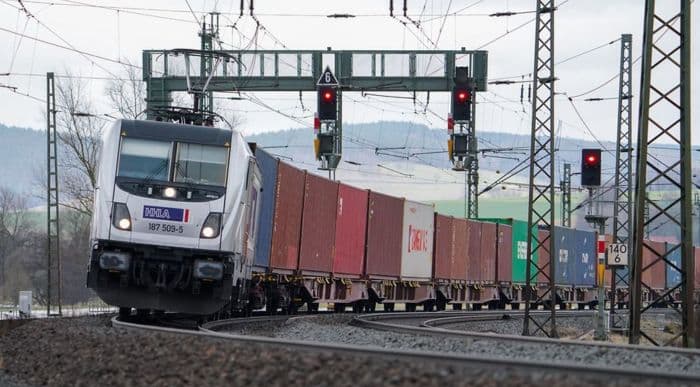
Germany's northern rail network is currently grappling with substantial bottlenecks, leading to widespread operational disruptions. This situation is significantly hindering the movement of cargo, forcing carriers, freight forwarders, and rail operators to exert considerable effort to maintain supply chain continuity. The issues are compounded by an early commencement of the peak season, which has driven up demand across the network.
For freight forwarders and operations managers, this means potential delays for rail-bound cargo moving through northern Germany, particularly for shipments connecting to major ports or inland hubs. Capacity on key rail routes may be constrained, leading to increased transit times and potentially higher costs if alternative transport modes or expedited services are required. Forwarders should proactively communicate with their rail partners and shippers to manage expectations and explore contingency plans.
The ongoing disruptions are expected to persist as demand continues to build, necessitating close monitoring of the situation by all stakeholders in the logistics chain.