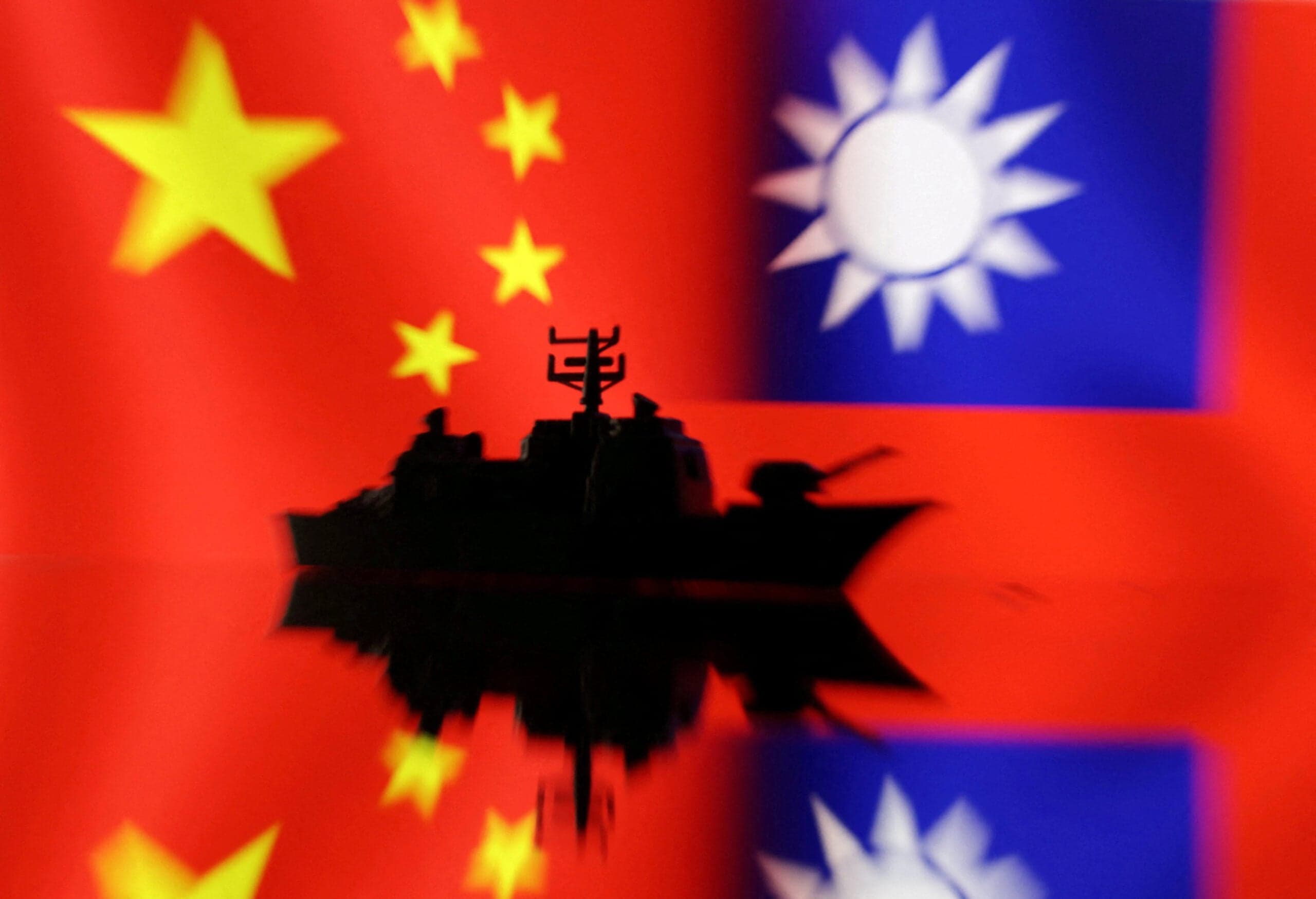
The global shipping industry is experiencing a significant increase in politicization, with state-backed entities and geopolitical events playing a more prominent role in shaping operational and strategic decisions. Saudi Arabia's Public Investment Fund (PIF) is actively investing in logistics infrastructure and companies, signaling a growing trend of national interests influencing the sector. This trend is further exacerbated by ongoing geopolitical tensions, such as the Red Sea crisis, which has forced carriers to re-evaluate traditional trade routes and operational models.
For freight forwarders and operations managers, this heightened politicization translates into increased complexity and potential volatility. Decisions regarding carrier selection, route planning, and risk assessment must now account for geopolitical considerations beyond purely commercial factors. State-backed investments could lead to new market entrants or consolidate existing players, potentially altering capacity availability and pricing dynamics on key trade lanes. The ongoing Red Sea disruptions continue to necessitate longer transit times and higher costs due to diversions around the Cape of Good Hope, impacting schedule reliability and requiring forwarders to manage client expectations and supply chain lead times carefully. The competitive landscape among major carriers like CMA CGM and Zim is also being influenced by these broader political and economic shifts, potentially leading to new alliances or intensified competition in specific regions.