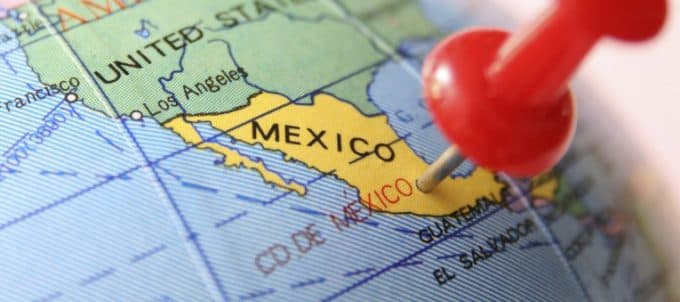
The European Union and Mexico have officially concluded a new free trade agreement, which was signed during a summit held in Mexico City last week. This updated pact significantly enhances the previous trade accord established in 2000, primarily by extending duty-free access to nearly all goods exchanged between the two economic blocs.
This agreement reflects a strategic initiative by both the 27-member European bloc and Mexico to reduce their economic reliance on the United States. By fostering closer economic ties, both parties aim to diversify their trade relationships and strengthen their respective supply chains.
For freight forwarders and shippers, this agreement is anticipated to open up new market opportunities and potentially simplify customs procedures, leading to more efficient and cost-effective trade routes between Europe and Mexico. The elimination of duties on a wide range of products could stimulate increased cargo volumes and necessitate adjustments in existing logistics strategies to capitalize on the new trade landscape. Forwarders should expect a potential increase in demand for services on these lanes and may need to adapt to new regulatory frameworks for smoother cargo flow. This could also influence vessel capacity and routing decisions on transatlantic lanes.