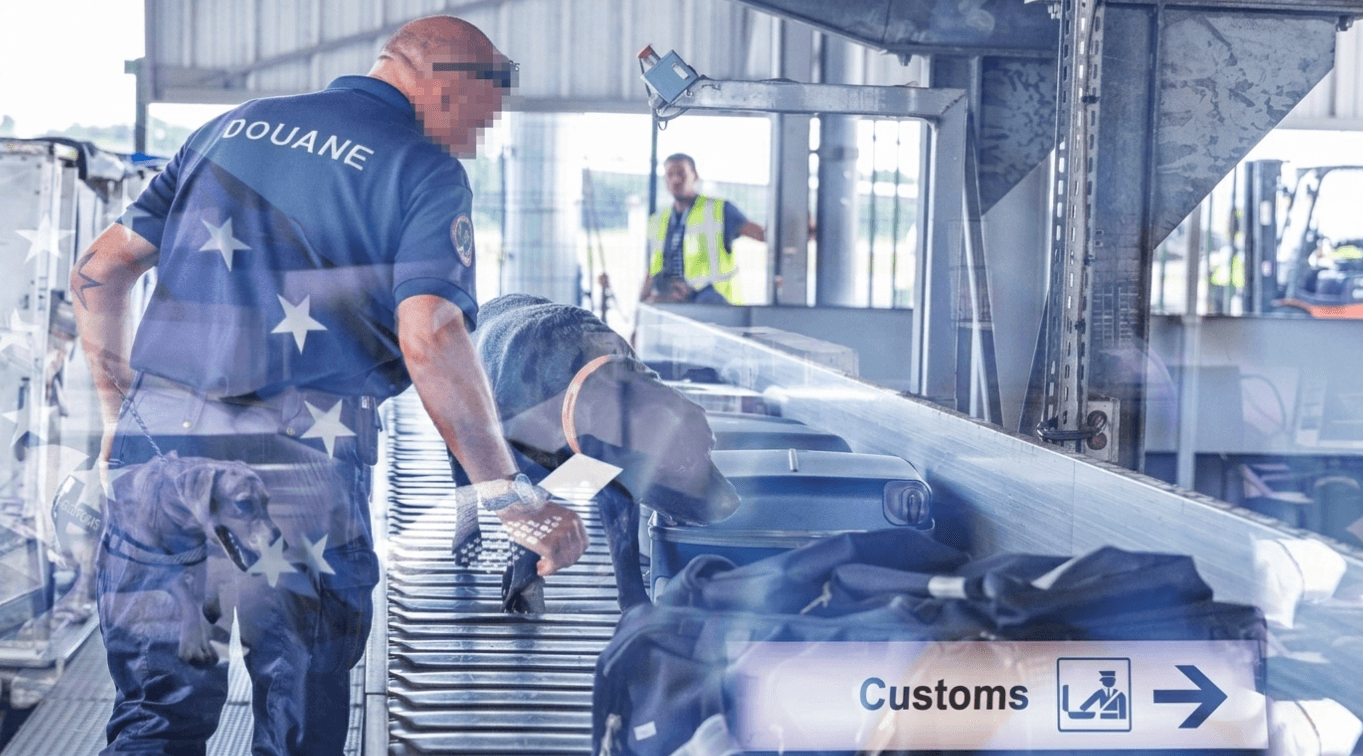
The European Union has officially adopted comprehensive customs reforms designed to address the substantial increase in low-value e-commerce imports, which currently total approximately 5.9 billion parcels annually. These new regulations aim to enhance oversight of cargo flows, particularly those originating from China, and will significantly alter compliance requirements for all entities involved in the supply chain, including logistics providers, freight forwarders, and online sellers importing into the EU.
This overhaul is a response to the current challenges posed by the sheer volume of small e-commerce shipments, which often bypass detailed customs scrutiny due to their low declared value. The previous system was perceived as vulnerable to fraud and revenue loss, as well as creating an uneven playing field for EU-based businesses.
For freight forwarders and logistics operators, these reforms mean a substantial shift in operational procedures and compliance protocols. There will likely be increased data reporting requirements and a need for more robust internal processes to ensure adherence to the new rules. This could lead to higher administrative costs and potentially longer processing times for certain e-commerce shipments. Forwarders should proactively engage with their clients to ensure all necessary documentation and declarations are in order to avoid delays and penalties. The focus on e-commerce from China suggests that forwarders handling these lanes will experience the most immediate impact.
While the source does not specify immediate next steps, the approval of these reforms indicates an upcoming implementation phase. Forwarders and shippers should monitor official EU announcements for detailed timelines and specific operational guidelines.