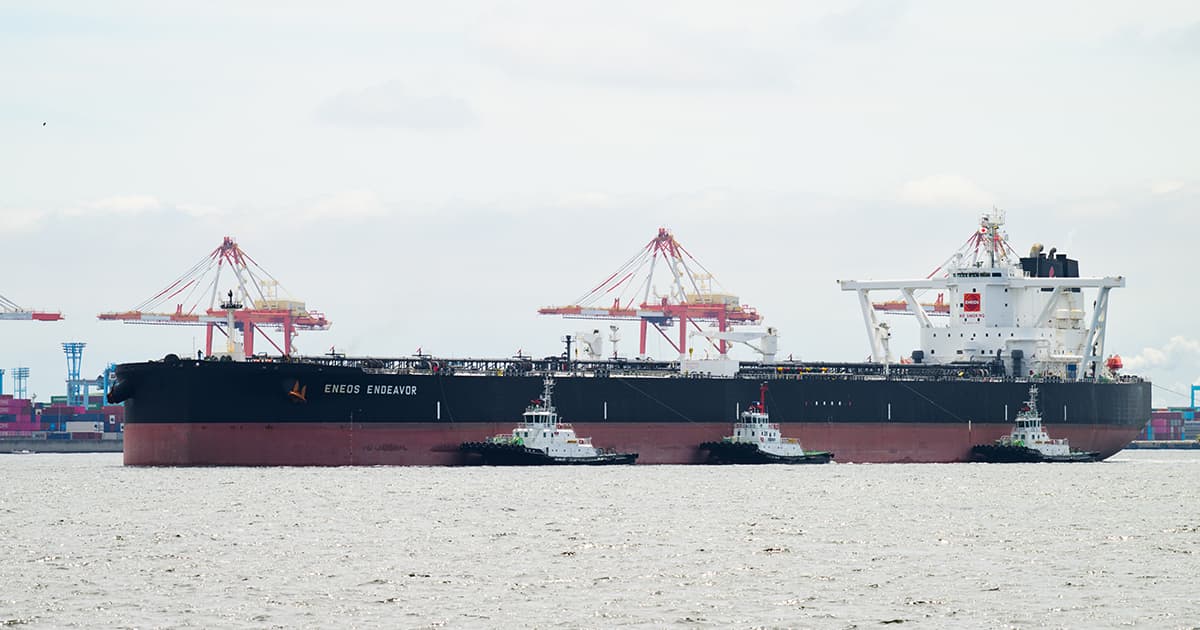
The Strait of Hormuz, a critical chokepoint for global oil shipments, is experiencing an increase in attacks targeting oil supertankers. This trend underscores the inherent dangers for vessels that are vital for exporting crude oil from the Persian Gulf region.
For freight forwarders and shippers, this development signals potential disruptions to oil supply chains. The heightened risk environment will likely translate into increased war risk insurance premiums for vessels transiting the Strait. This additional cost will ultimately be passed on to shippers, impacting overall freight expenses for oil and potentially other cargo types. Furthermore, carriers may consider re-routing vessels where feasible, leading to longer transit times and further cost implications. Operational managers will need to closely monitor security advisories and adjust their planning accordingly to mitigate risks and manage client expectations regarding transit times and costs.