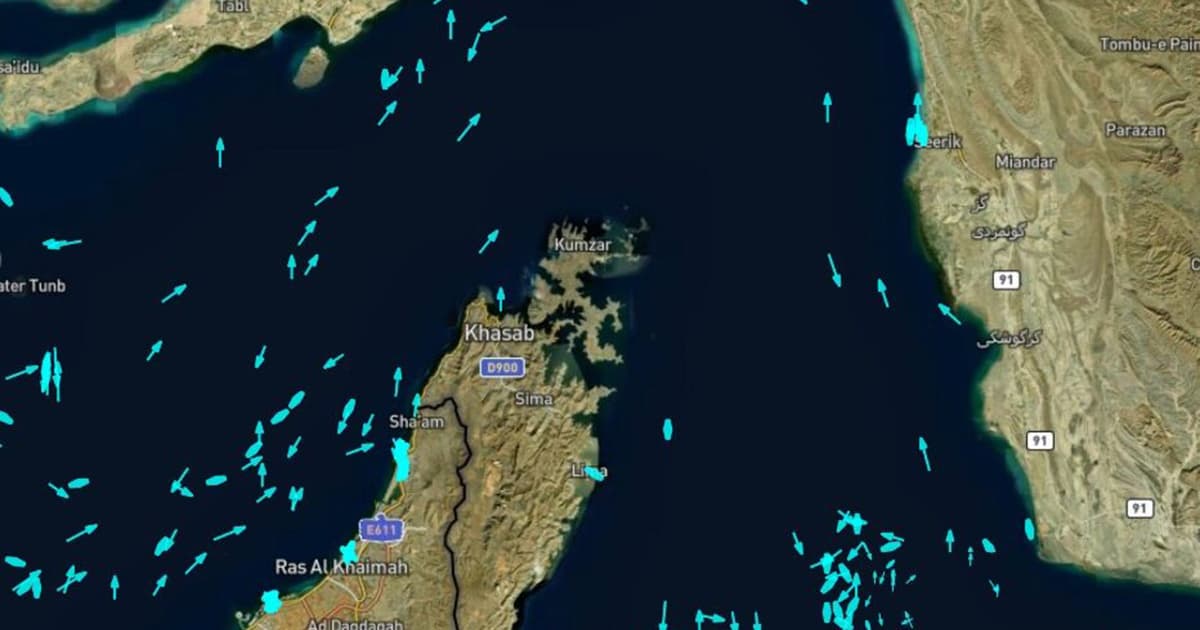
The International Maritime Organization's Secretary-General, Arsenio Dominguez, recently declared that the Strait of Hormuz continues to be an unsafe passage for commercial shipping. This assessment comes despite earlier attempts by the United States and Iran to de-escalate tensions and foster peace in the region.
This declaration underscores the persistent geopolitical instability affecting a critical global chokepoint. The Strait of Hormuz is a narrow waterway connecting the Persian Gulf to the open ocean, through which a significant portion of the world's oil supply and other cargo transits daily. Ongoing security threats, including potential for vessel seizures or attacks, contribute to elevated operational risks.
For freight forwarders and shippers, this situation implies continued vigilance and potential for disruptions. Carriers may face increased war risk premiums for transiting the area, which can translate into higher freight costs. Operational managers must account for potential delays, re-routing considerations, and enhanced security protocols for vessels and cargo moving through or near the Strait. The instability could also impact vessel availability and schedule reliability for services operating in the wider Middle East region.