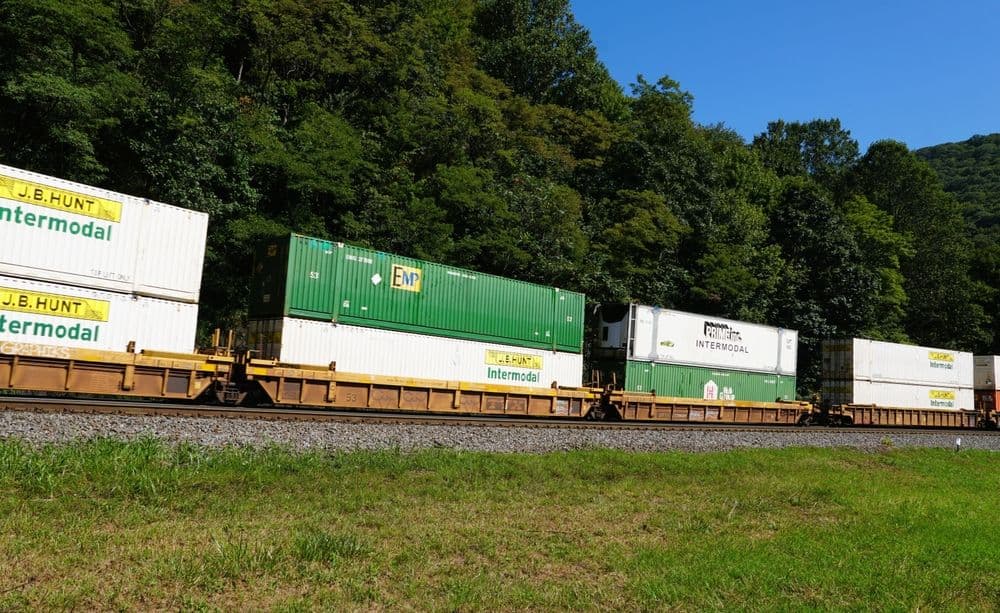
Intermodal rail freight volumes in the eastern United States are currently experiencing a significant rebound. This upward trend is largely attributed to several key factors, including the rising cost of fuel, which makes road transport more expensive. Additionally, rail services have demonstrated enhanced reliability, offering a more predictable option for shippers.
This shift towards intermodal rail is occurring as the trucking industry emerges from a four-year recession, leading to higher trucking rates. The combination of these economic and operational factors is making rail a more attractive and cost-effective alternative for freight movement across the East Coast.
For freight forwarders and operations managers, this development suggests a potential shift in routing strategies. Increased intermodal capacity and competitive pricing on eastern rail networks could offer viable alternatives to long-haul trucking, especially for shipments sensitive to fuel surcharges. Forwarders should monitor rail service levels and transit times closely to leverage these benefits and optimize supply chain costs. The rebound may also alleviate some pressure on truck capacity, though specific impacts will vary by lane and demand.