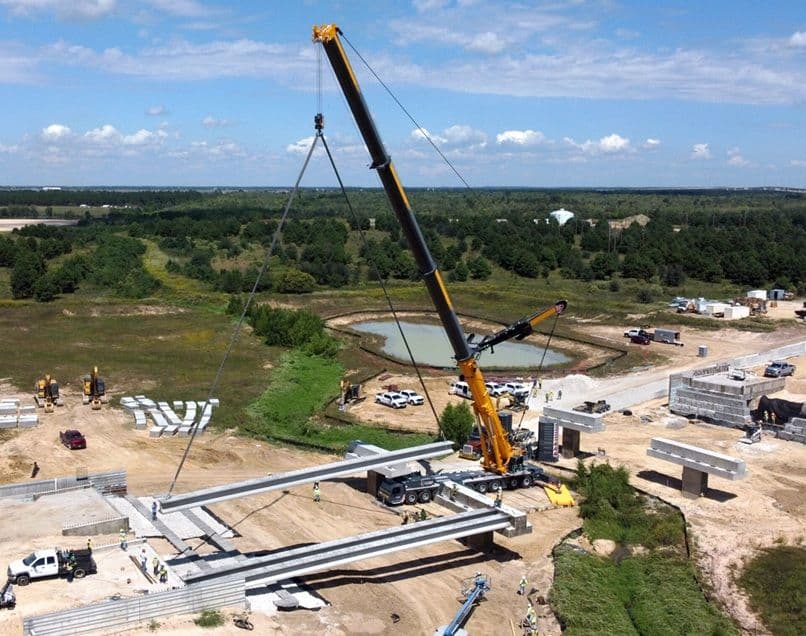
The heavy-lift industry in the United States is actively lobbying the U.S. Trade Representative (USTR) to reduce or eliminate tariffs on imported cranes and specialized trailers. Industry representatives argue that the current tariffs are detrimental to the sector's operational viability and future growth.
Stakeholders emphasize that developing domestic manufacturing capabilities for heavy-lift cranes and trailers is a lengthy process, estimated to take between five and seven years. During this transition period, the industry remains heavily reliant on imported equipment. Without tariff relief, the increased costs associated with these imports could severely cripple U.S. heavy-lift operations.
For freight forwarders and logistics managers involved in project cargo and heavy-lift shipments, these tariffs translate directly into higher operational costs for carriers and specialized transport providers. This could lead to increased rates for shippers moving oversized or heavy cargo, potentially impacting project budgets and timelines. Reduced availability of specialized equipment due to cost pressures could also strain capacity for complex logistics projects.
The industry hopes that USTR will consider the long-term implications of these tariffs on critical infrastructure projects and the overall competitiveness of the U.S. heavy-lift sector.