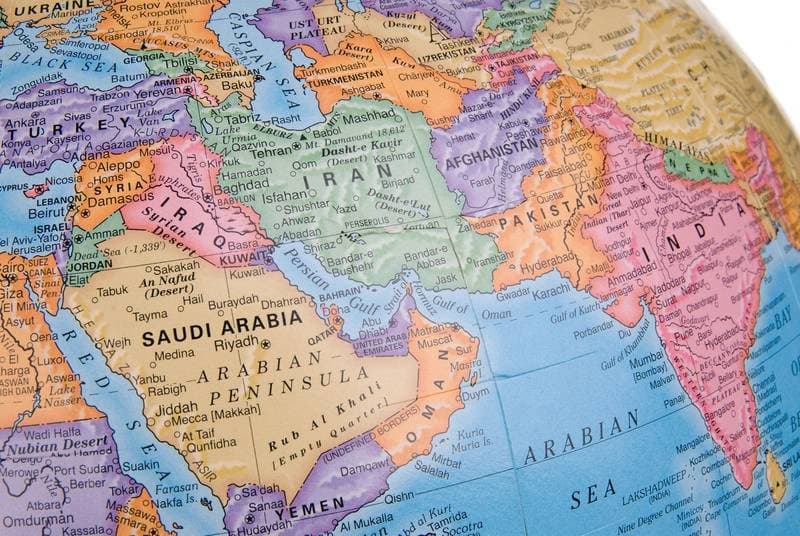
The crude tanker market is currently undergoing a significant shift, with a noticeable rebalance towards longer-haul voyages. This trend is largely influenced by geopolitical developments, particularly the closure of the Strait of Hormuz, which necessitates alternative, more circuitous shipping routes for crude oil.
Vessel owners are expressing confidence that these extended transit times will provide robust support for the market in the near to medium term. The increased demand for vessel capacity due to longer voyages naturally tightens the market, potentially leading to higher charter rates and improved profitability for tanker operators.
For freight forwarders and operations managers, this shift implies several considerations. Increased transit times for crude oil shipments will impact supply chain planning and inventory management for clients involved in the energy sector. It may also lead to higher freight costs, which will need to be factored into logistics budgets and pricing strategies. Forwarders should anticipate potential delays and adjust their scheduling accordingly, while also monitoring capacity availability on key crude oil routes.
However, the long-term outlook is viewed with some caution. Concerns regarding global energy security, and potential shifts in energy consumption or production patterns, could eventually dampen the sustained demand for crude tanker services. While the immediate future appears positive for owners, the industry acknowledges the need to monitor evolving energy policies and geopolitical landscapes that might influence trade flows in the distant future.