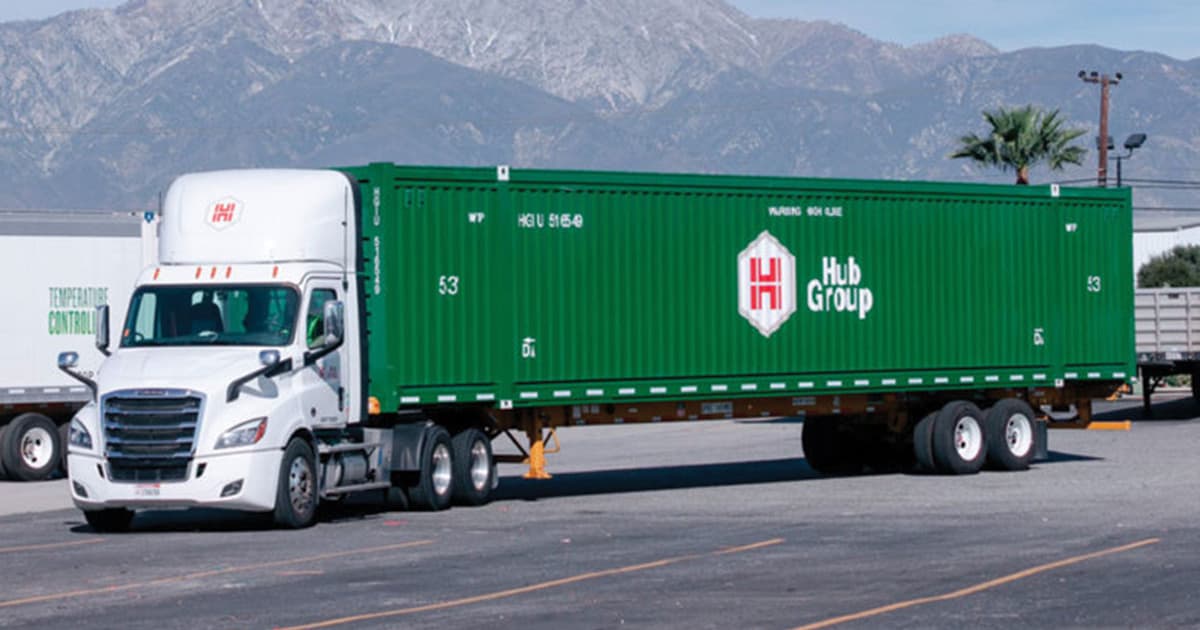
A prominent rail industry trade group has expressed mixed reactions to the recently introduced surface transportation legislation. While acknowledging the inclusion of certain provisions that are favorable to the rail sector, the group highlighted significant concerns regarding other aspects of the bill. Specifically, the organization criticized the legislation for containing clauses that appear to benefit heavier truck operations, potentially creating an uneven playing field between road and rail freight.
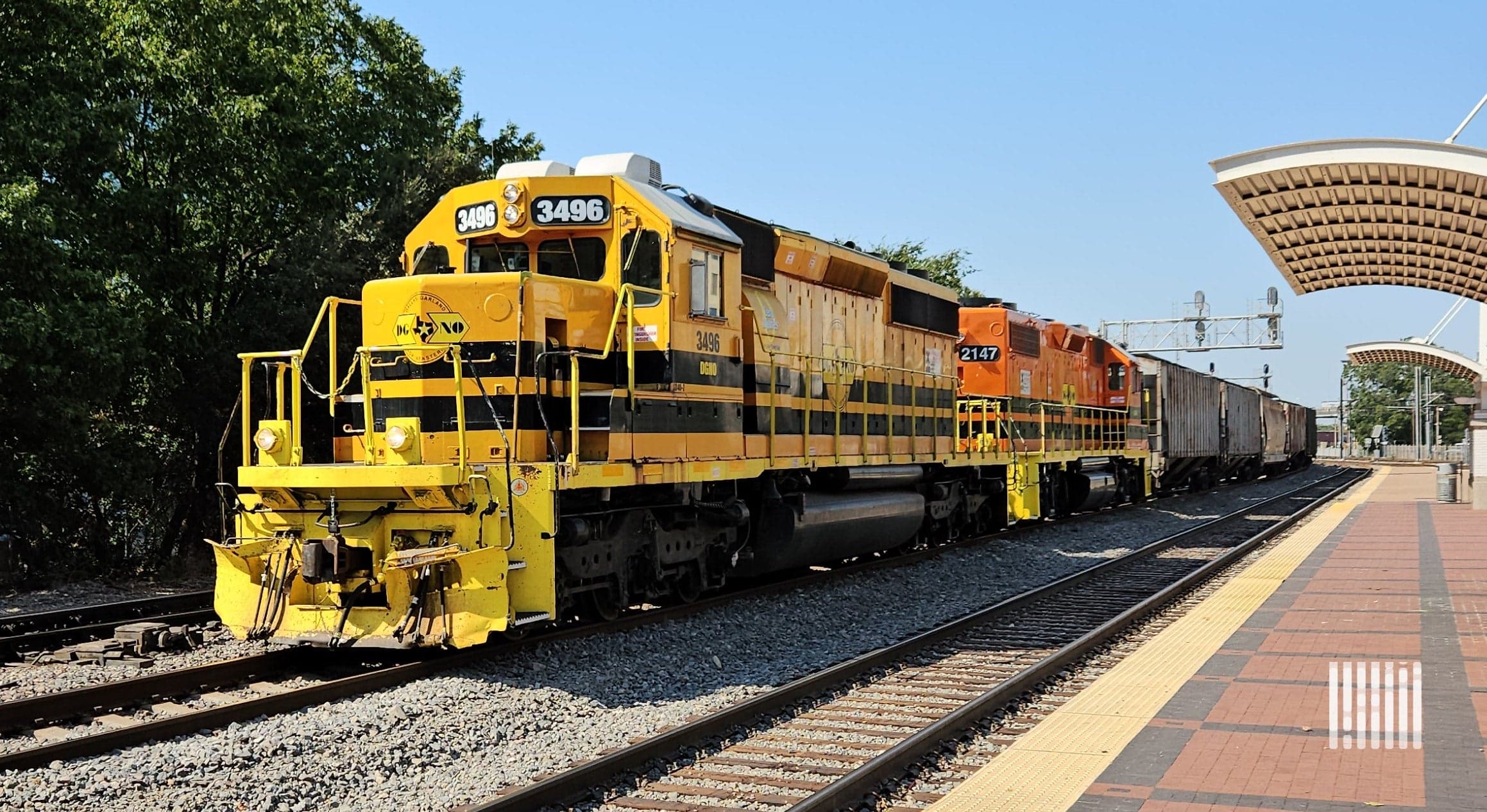
Furthermore, the group raised objections to the imposition of what it described as expensive safety mandates. These new requirements are anticipated to increase operational costs for short line rail operators, potentially straining their financial resources and impacting their ability to invest in other areas of their infrastructure or services.
For freight forwarders and logistics professionals, this legislative development could have several implications. The perceived advantage given to heavier trucks might influence modal choices for certain types of cargo, potentially shifting some freight from rail to road if the cost-benefit analysis favors trucking. Additionally, increased operational costs for short line railways due to new safety mandates could eventually translate into higher rail freight rates, affecting overall supply chain costs. Forwarders should monitor how these changes might impact transit times and capacity across different transport modes, especially for shipments relying on short line rail connections.